04/18/2026 Grand Egyptian Museum (GEM)

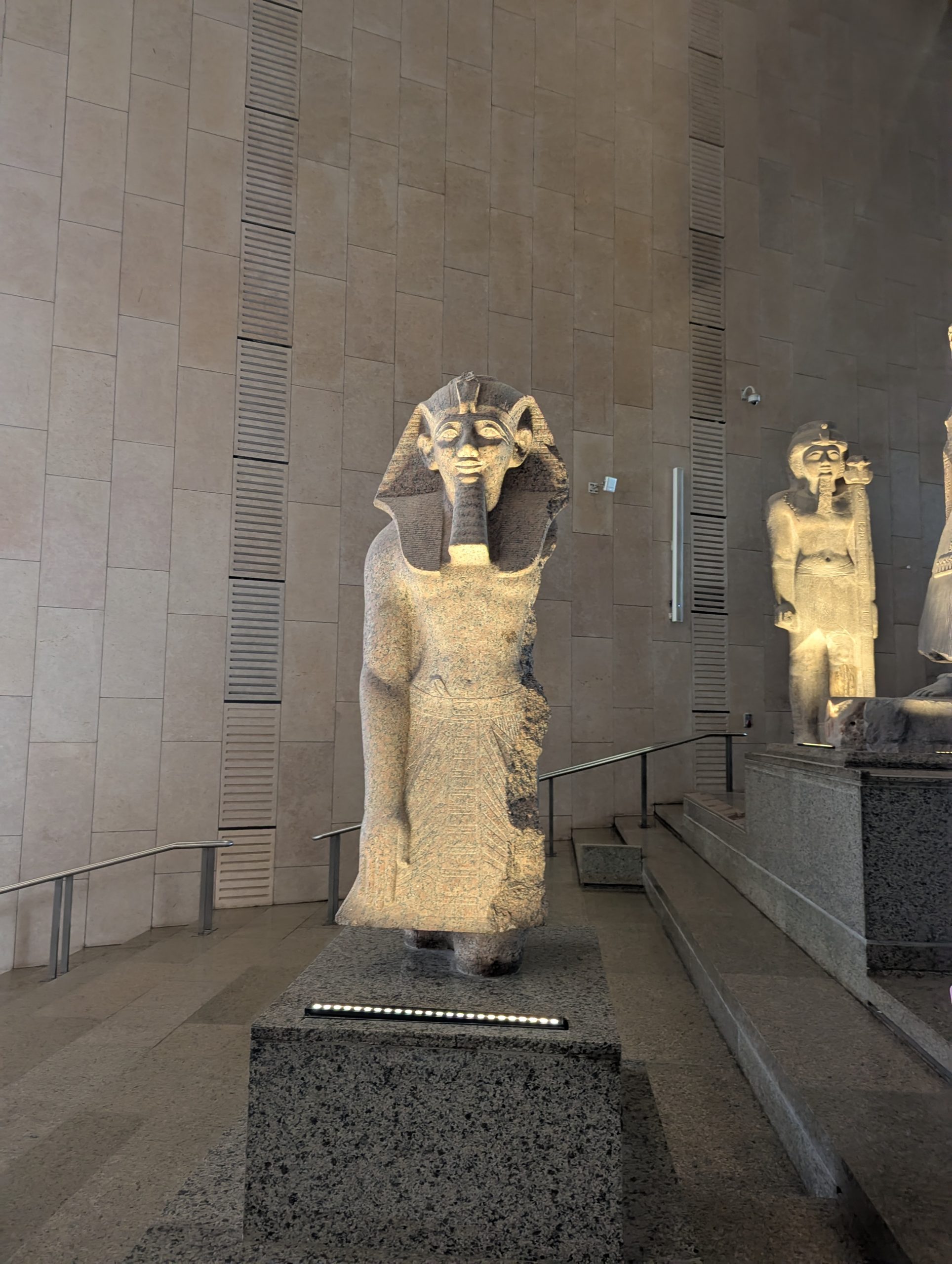

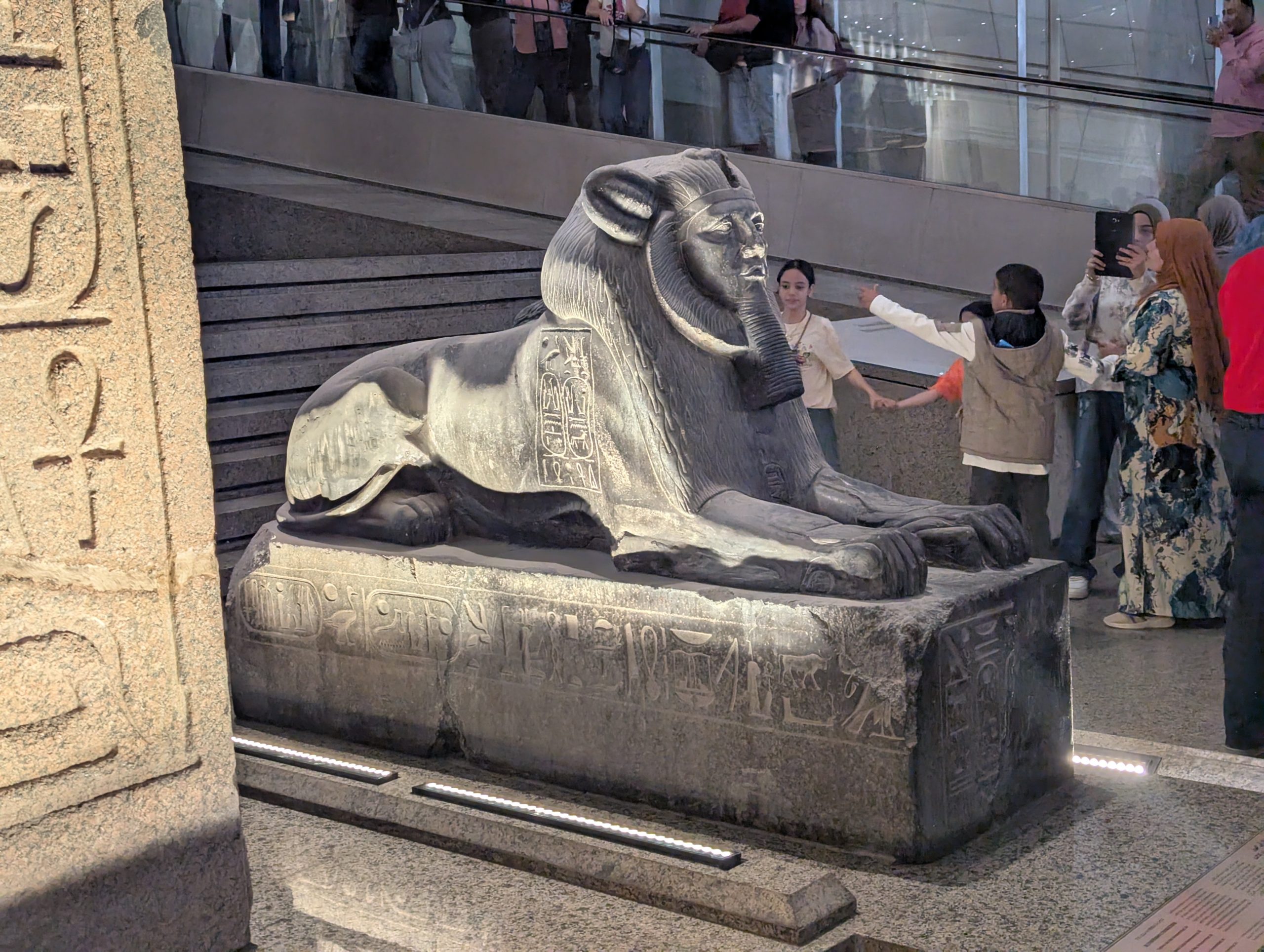
Sphinx of King Amenemhat III
Sphinxes combined the strength of a lion
with the power of the king. This is one
of seven similar sphinxes of Amenemhat
Ill found at Tanis in the Delta. These are
typical portraits of the king, showing him
with fleshy, prominent cheekbones and
pouting lips. Later rulers including Third
Intermediate Period King Psusennes I their cartouches to the solid base and the body of the lion.
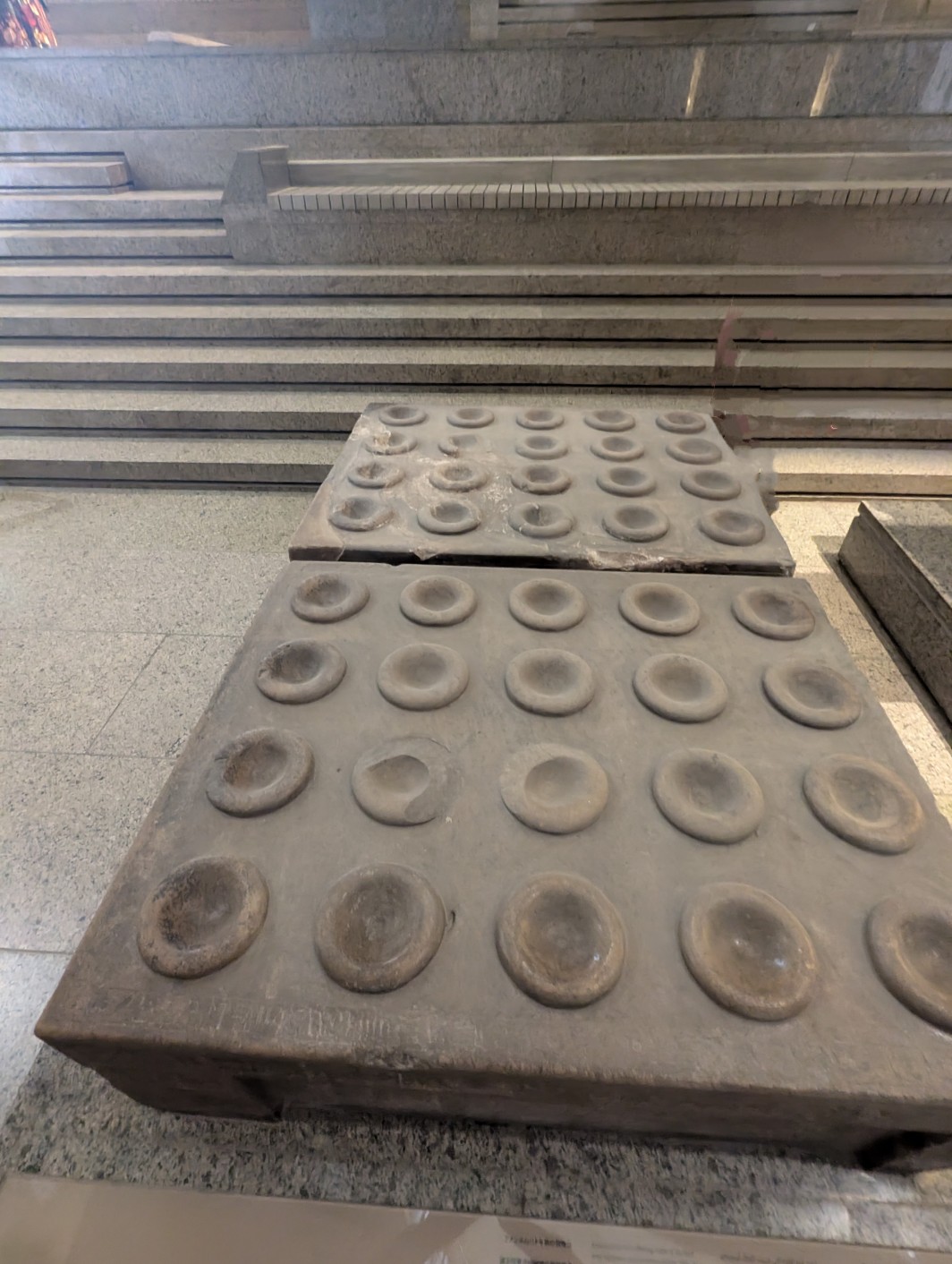
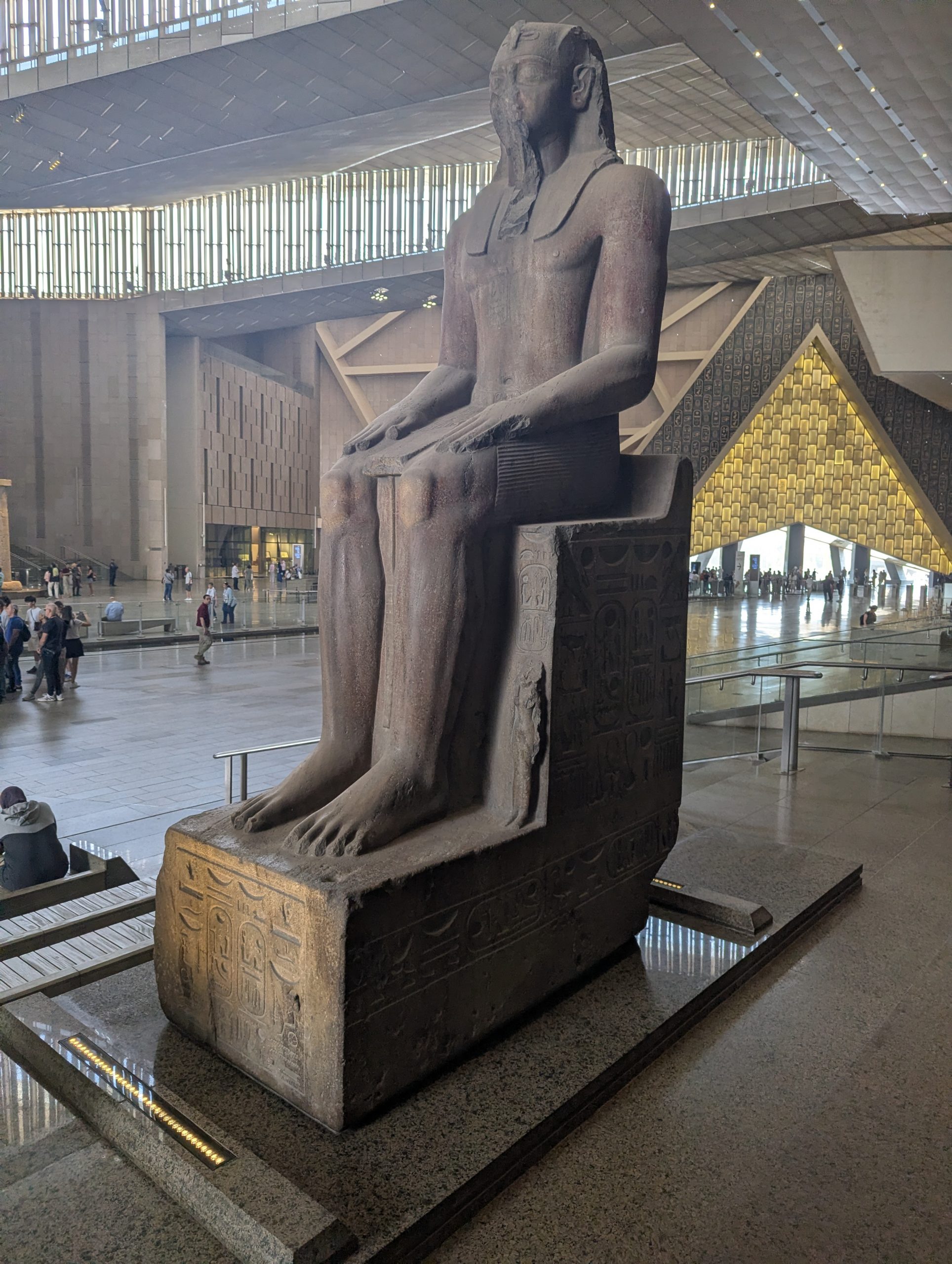
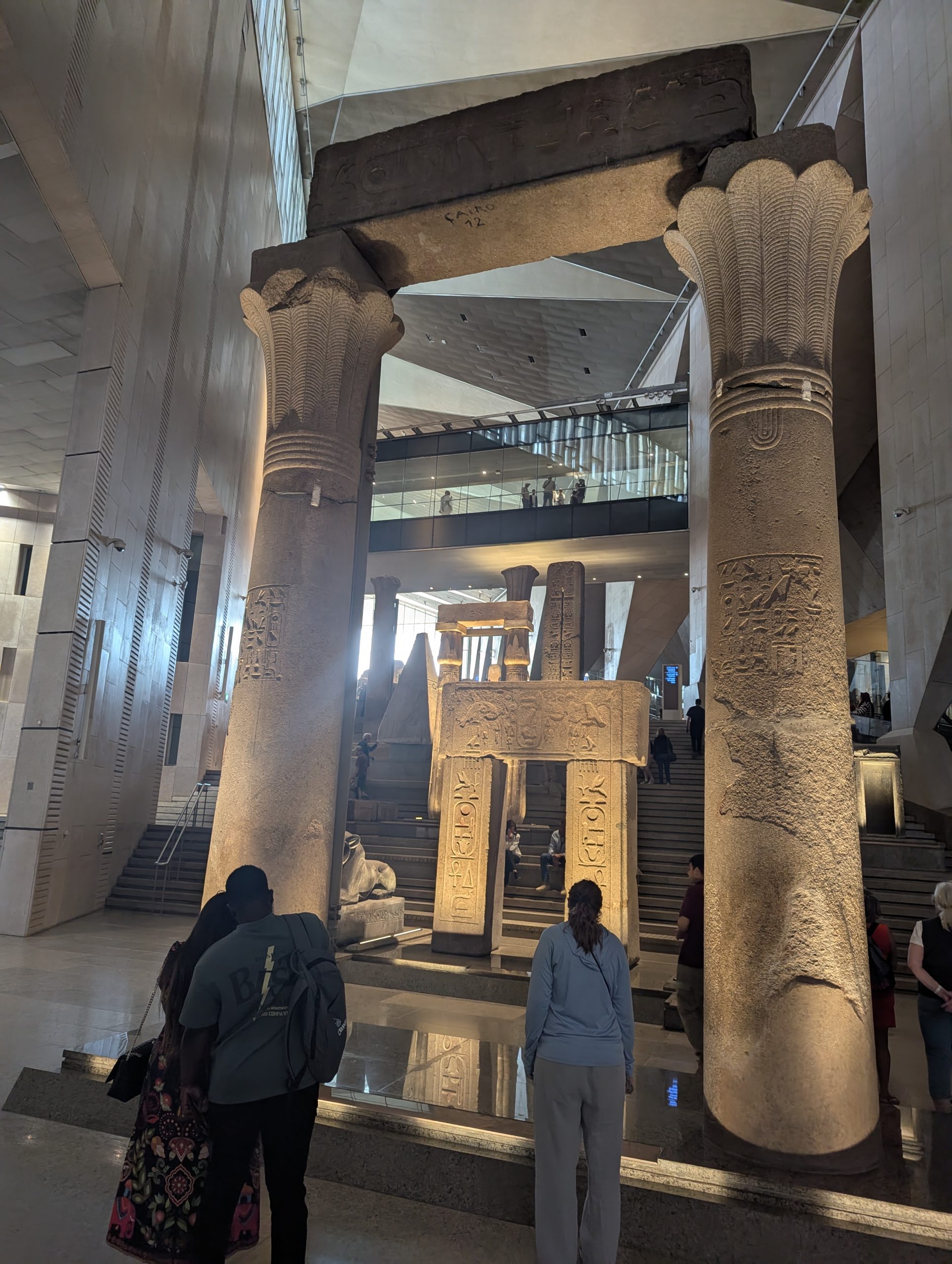
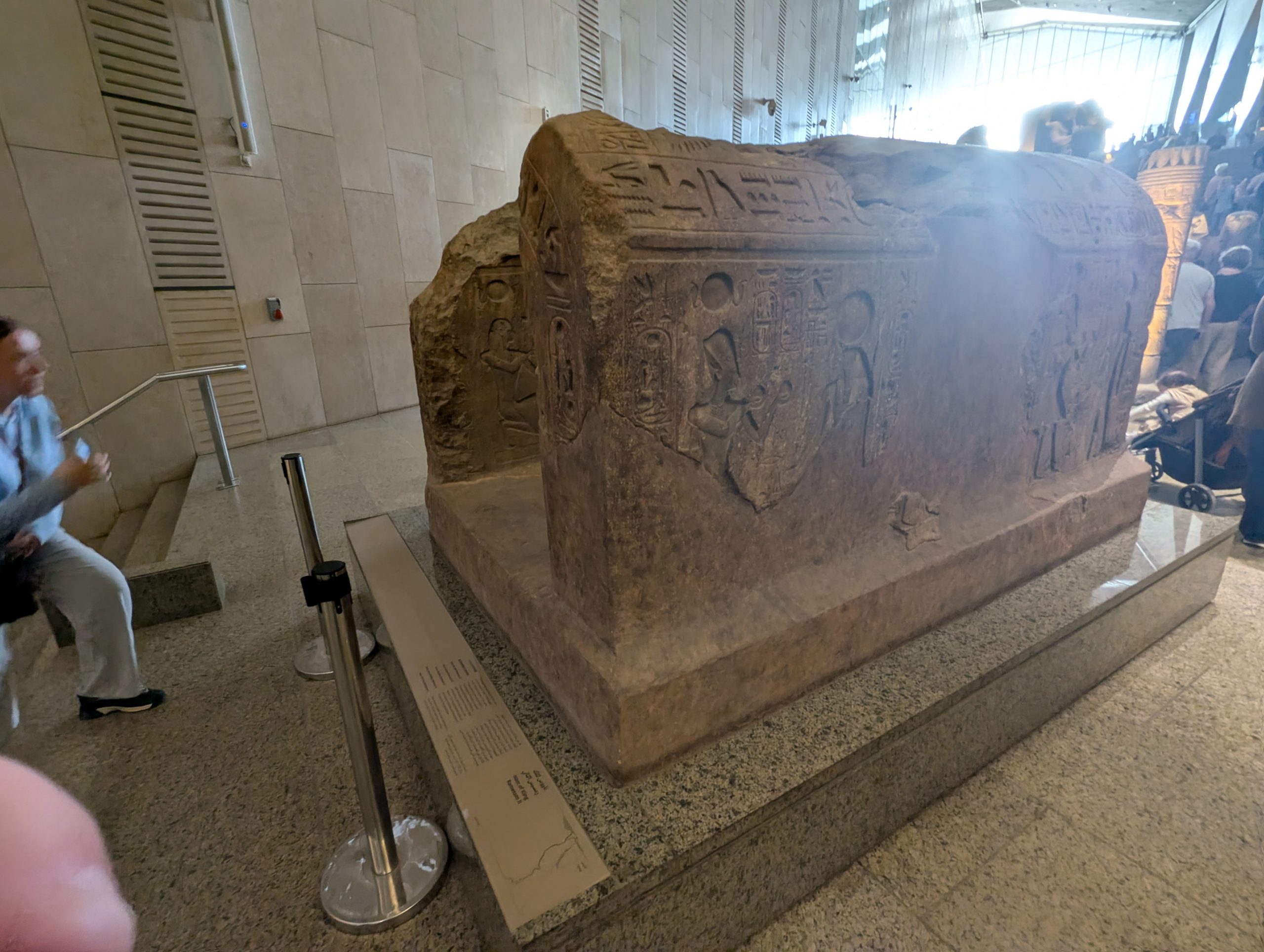
Amenemhat VI’s offering table is divided
into northern and southern parts. This was
done to represent the two lands of Upper
and Lower Egypt. Offerings were ploced in
twenty round depressions on each table,
probably representing the Egyptian nomes
(provinces). The material and style reflect
certain beliefs in the sun cult. The offerings
themselves were dedicated to the state god
Amun-Re.
about 1765 – 1762 BC | Quartzite | From the Great
Temple of Amun at Karnak, Thebes (Luxor)
Middle Kingdom, Dynasty 13, reign of Amenemhat VI,
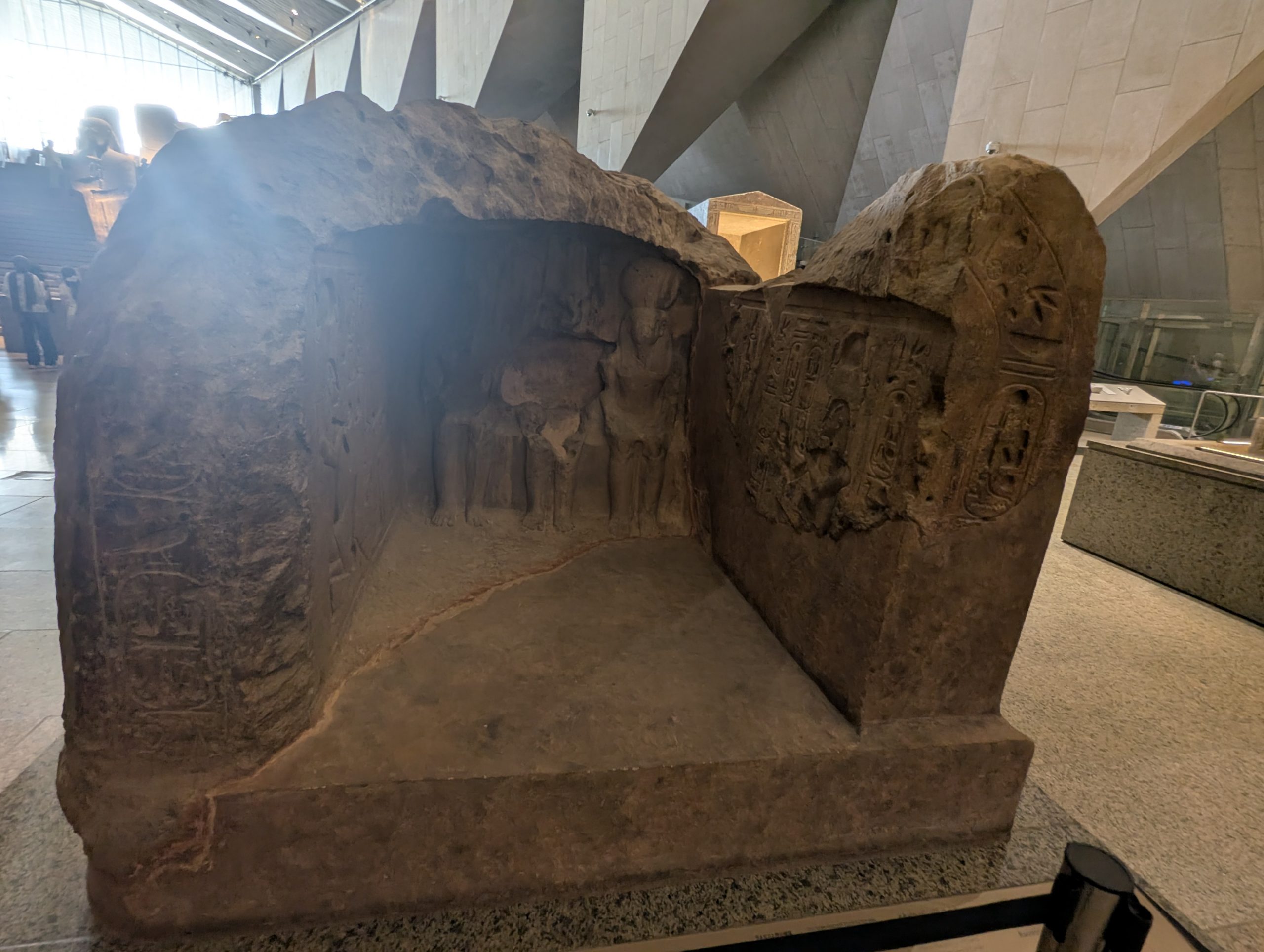
Gods & Kings
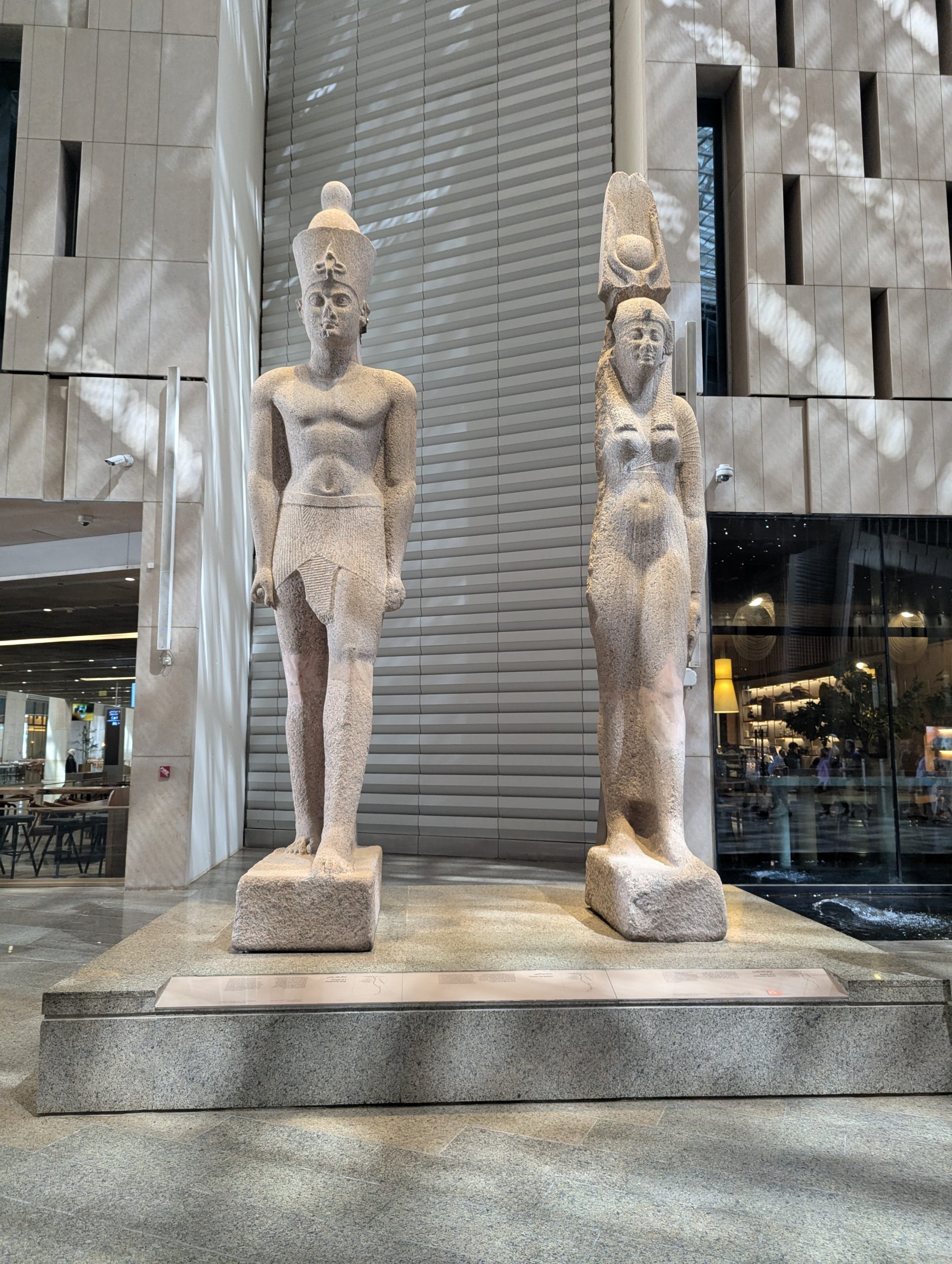
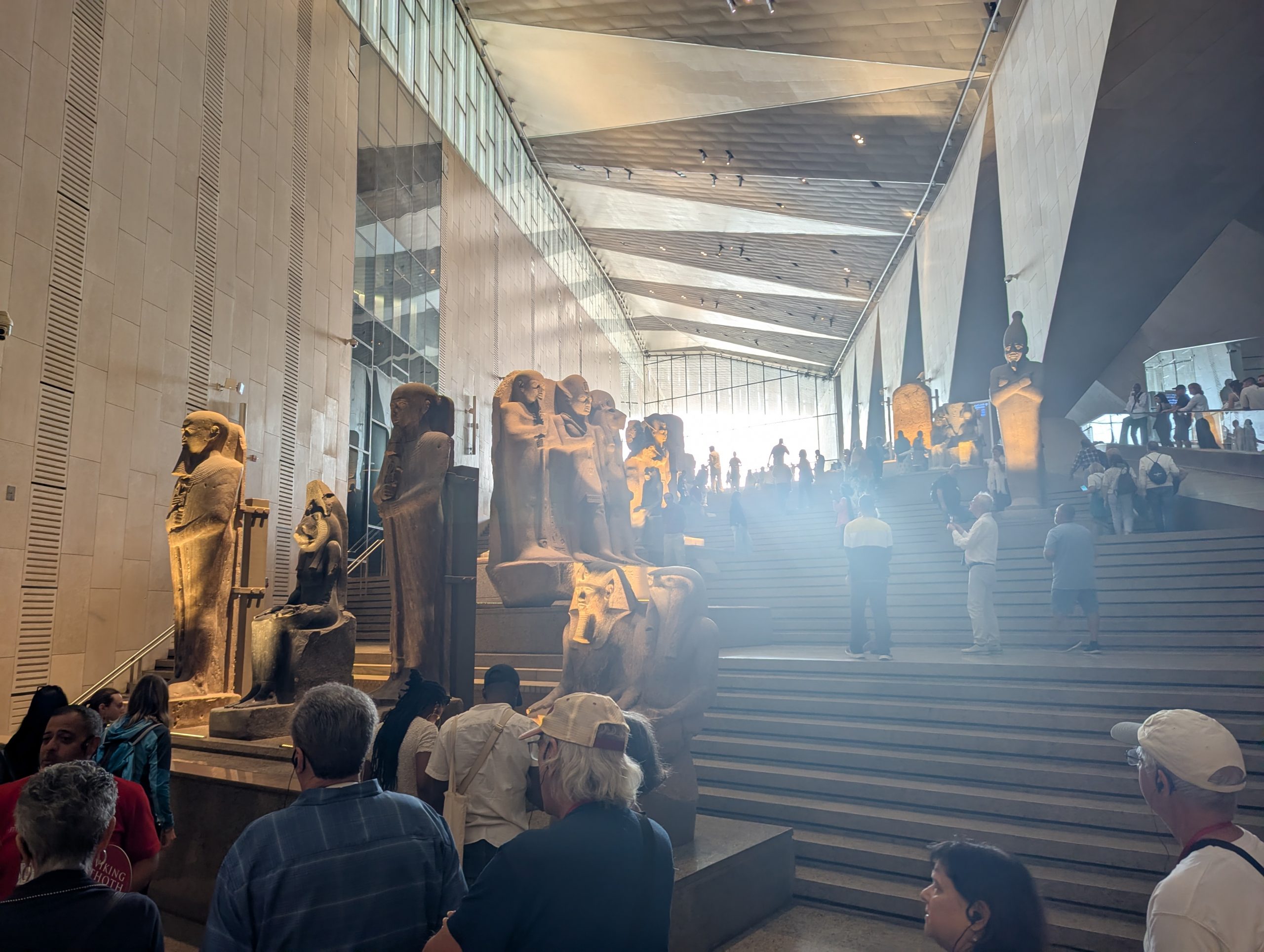
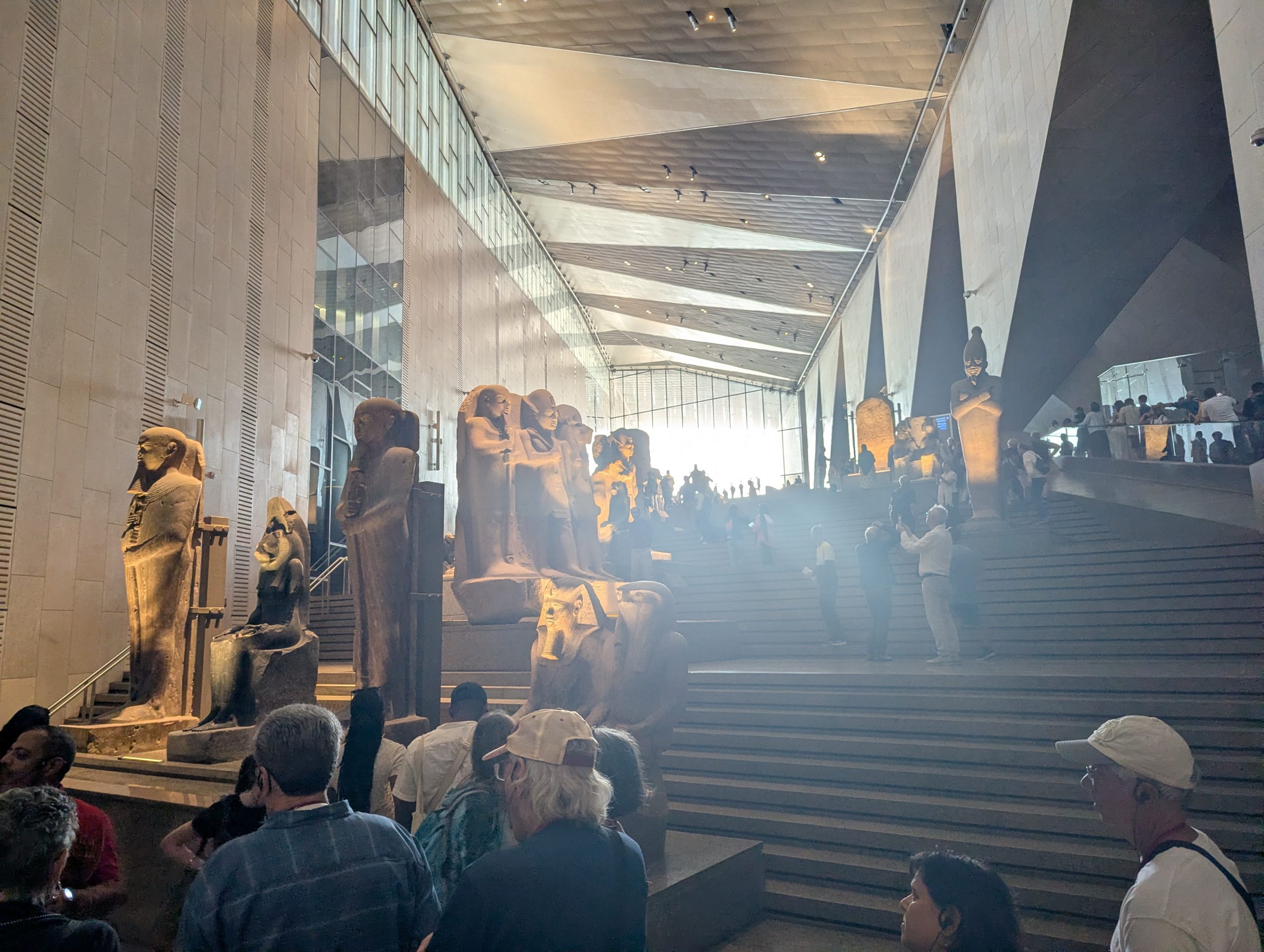
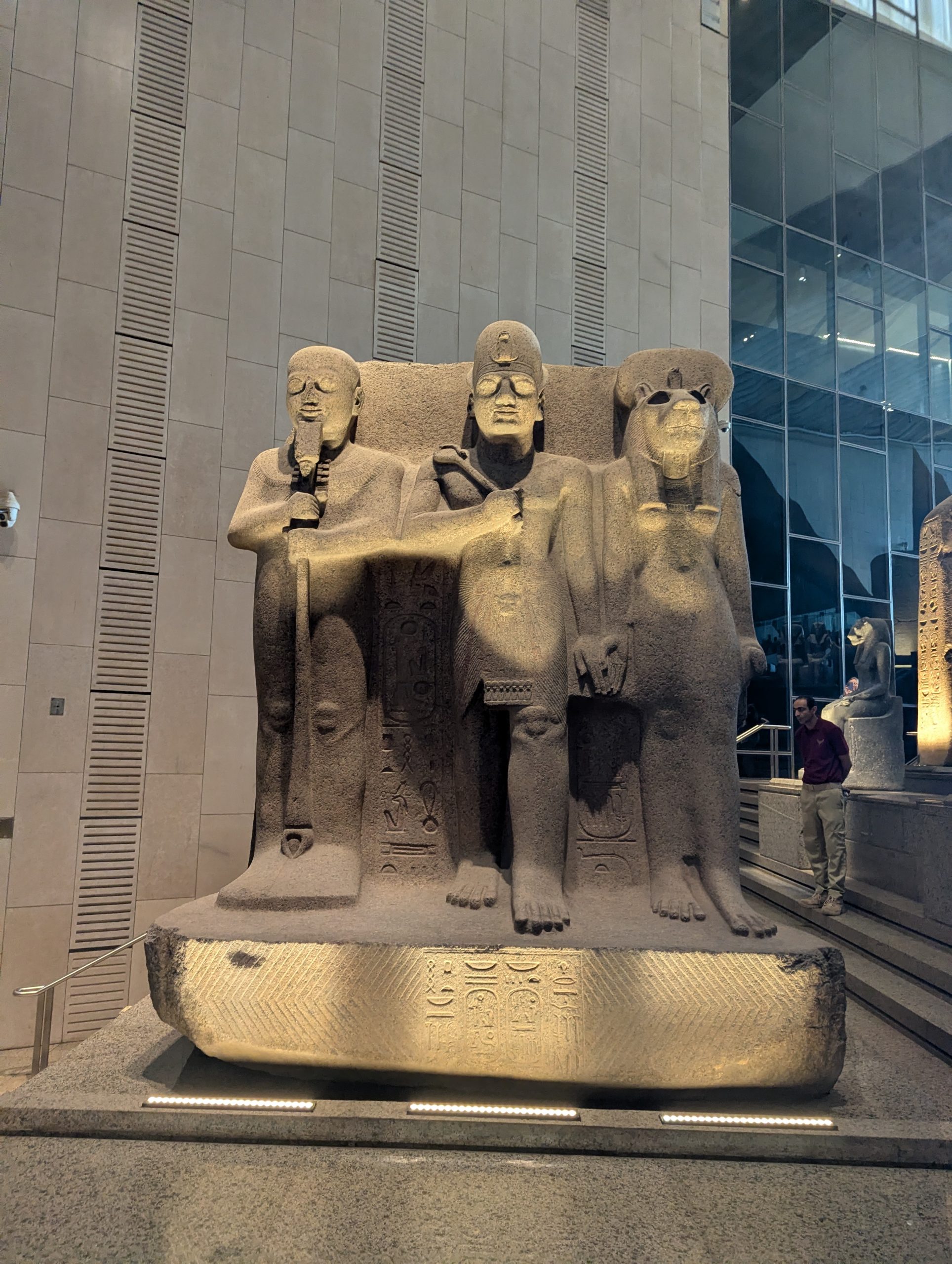
Gods were responsible for different aspects of life
including the sky, the River Nile, the desert and the
underworld. The king was in charge of the land of Egypt
and represented the gods on earth. Kings were the only
people allowed to order new god statues, and many have
faces similar to the kings that paid for them. Statues of
gods were created for new temples, when a god became
popular and after periods of unrest.
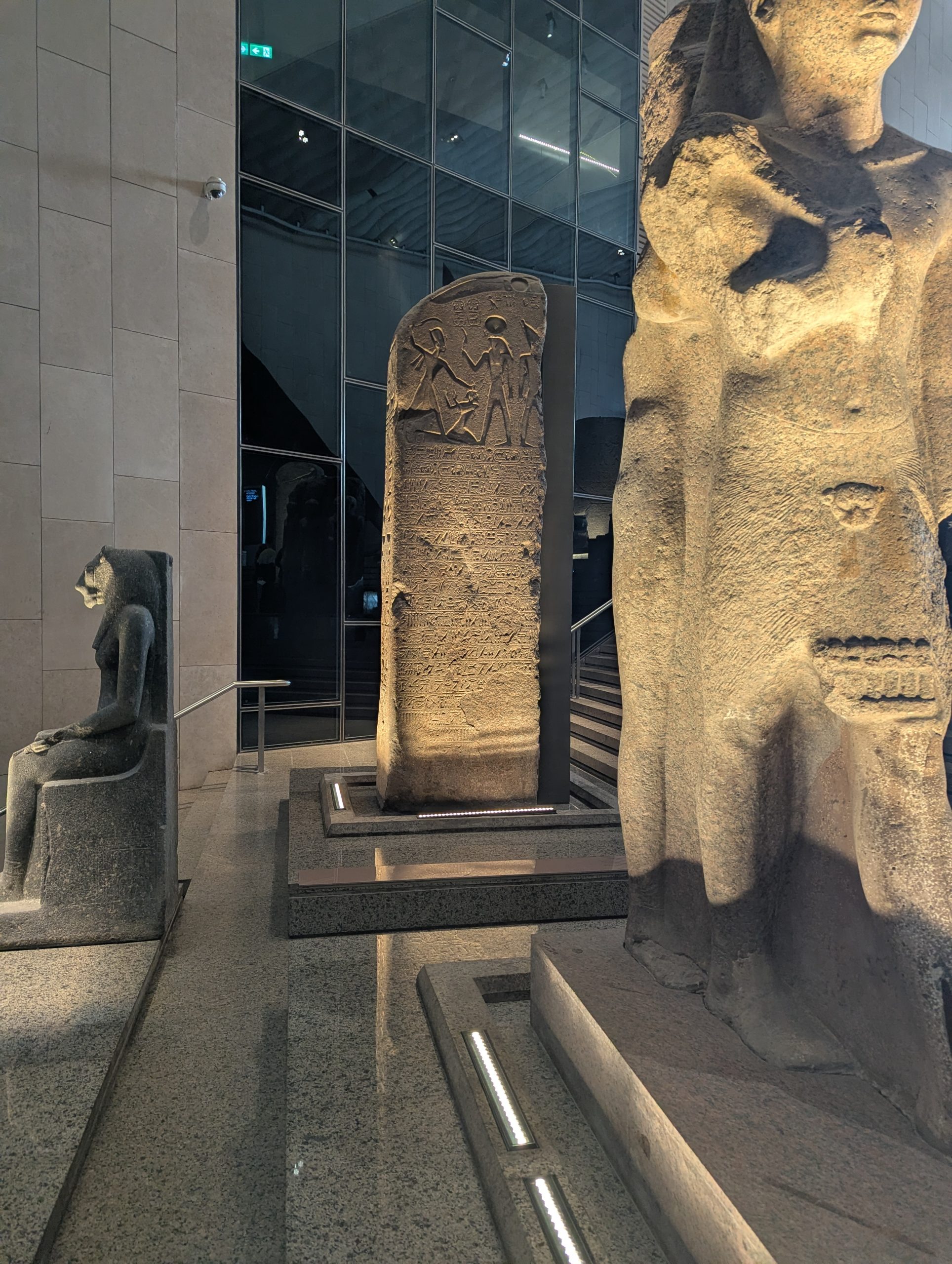
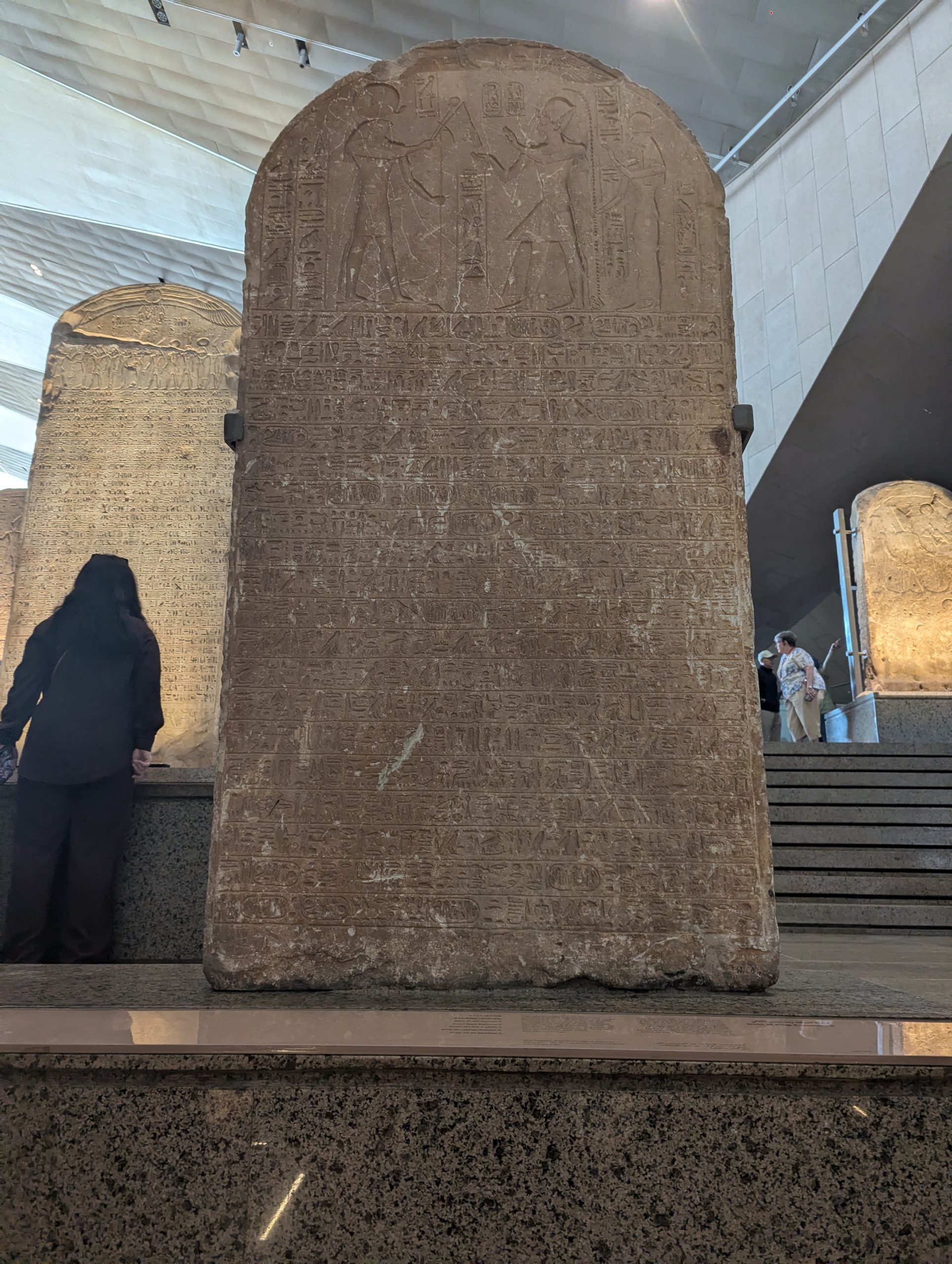
Victory Stela of
King Merenptah

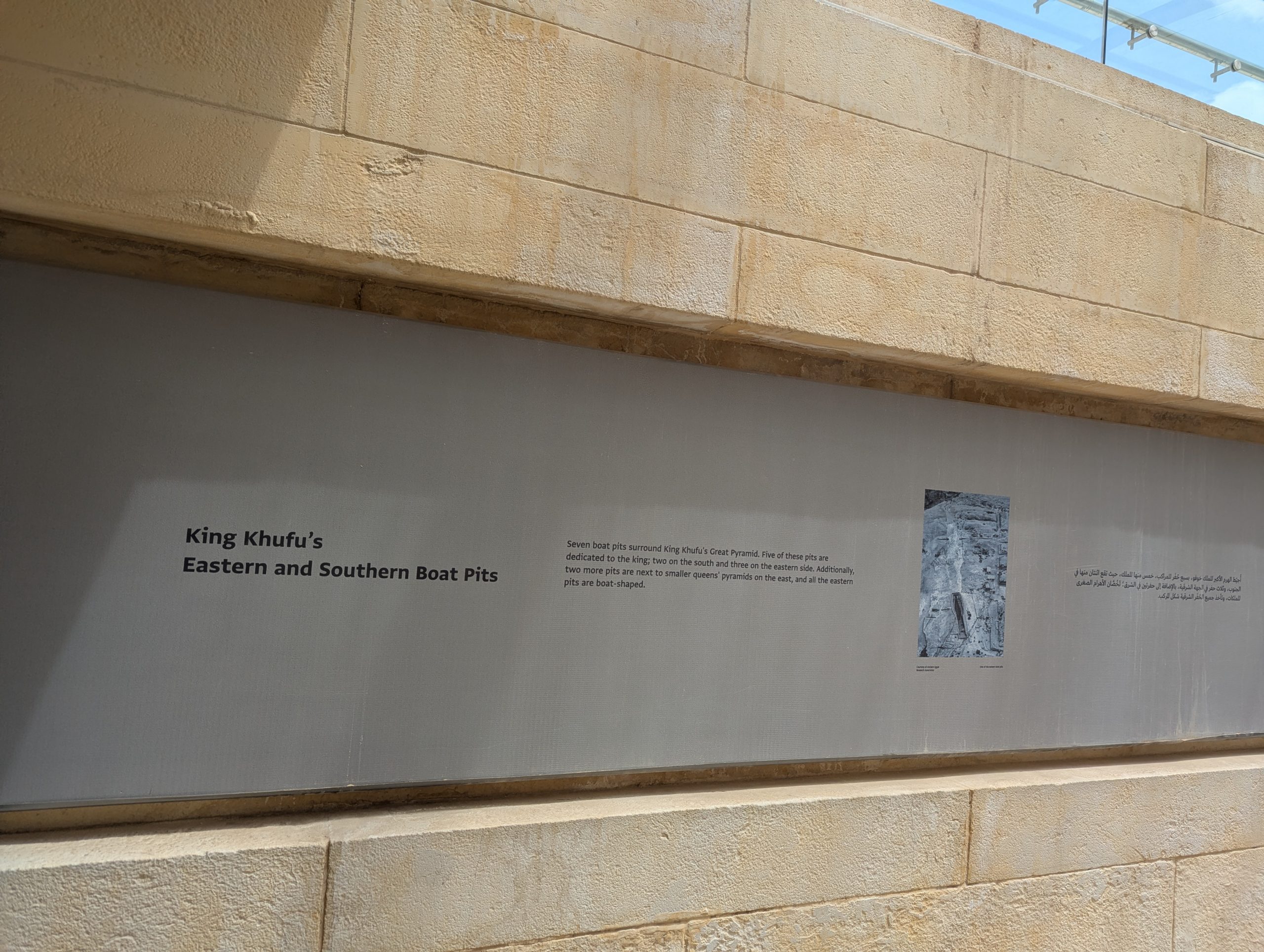
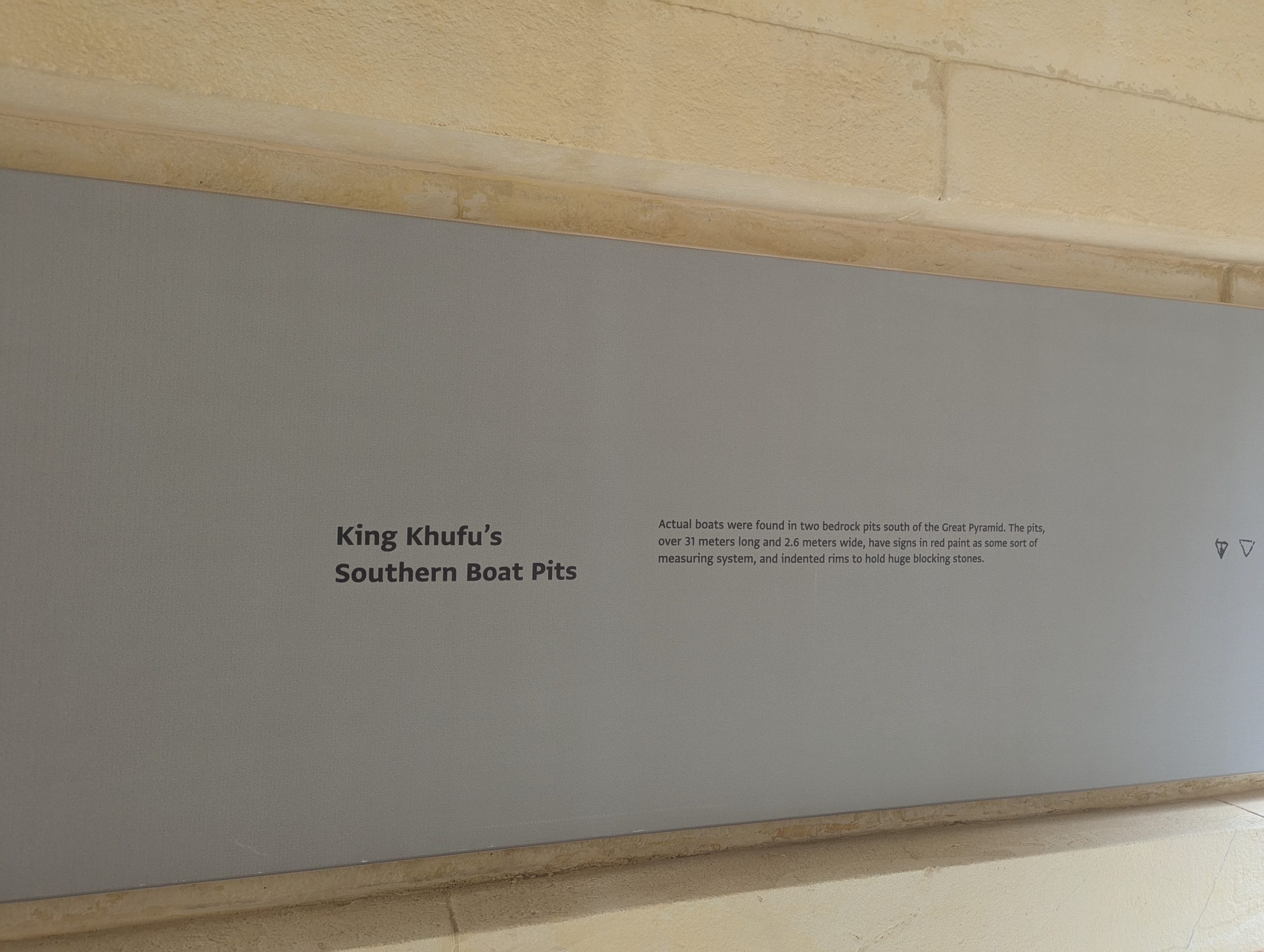

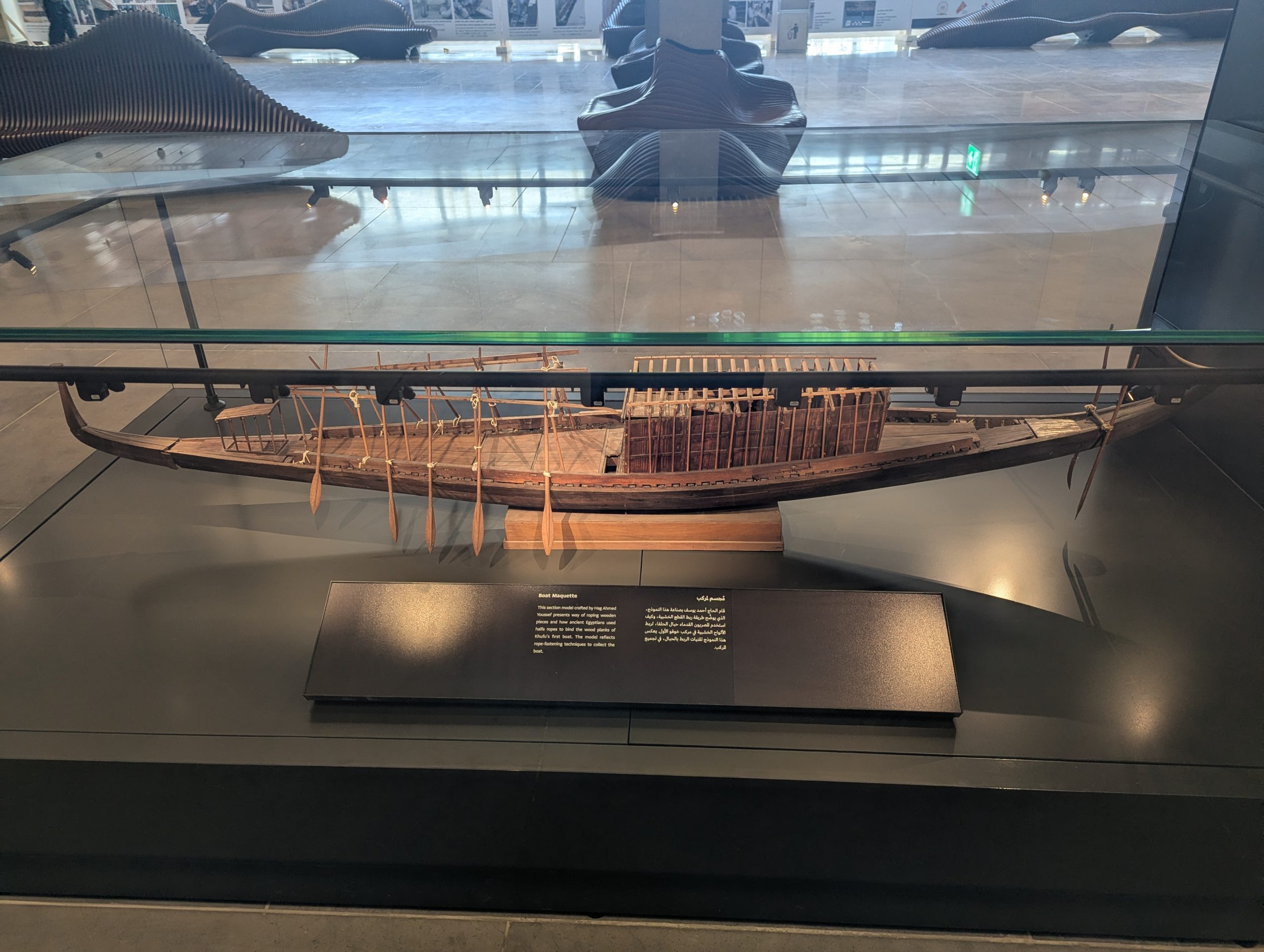
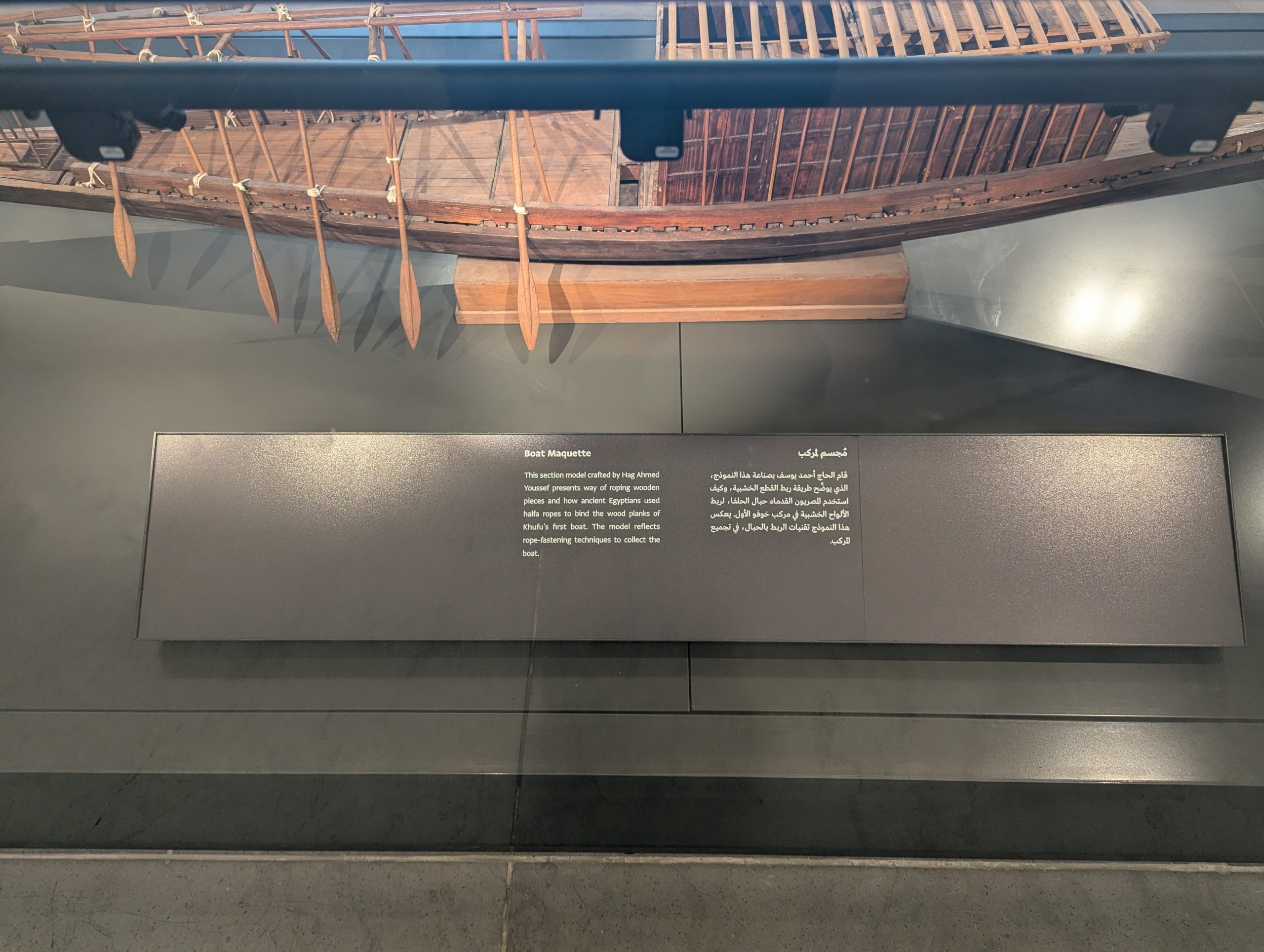
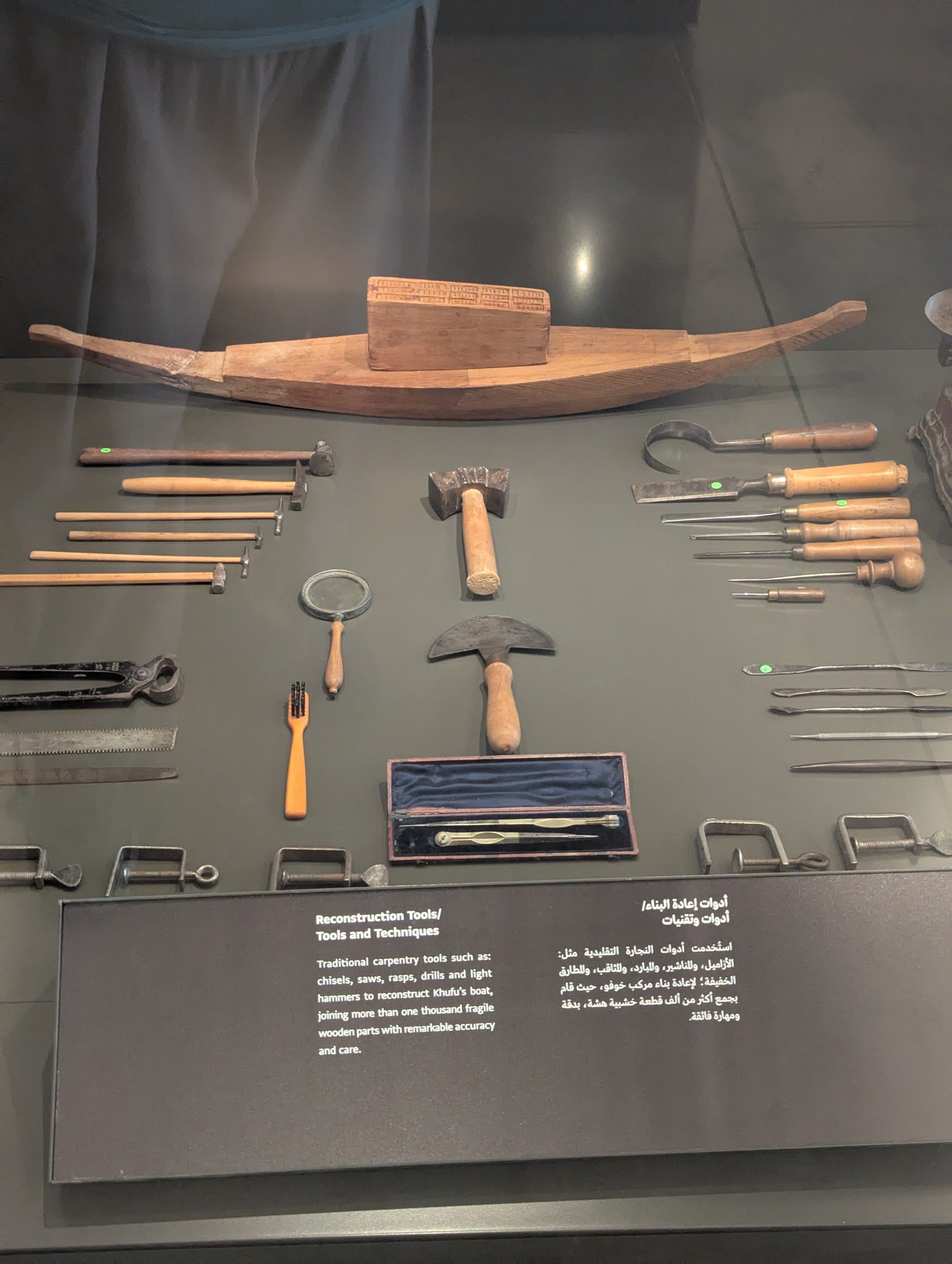
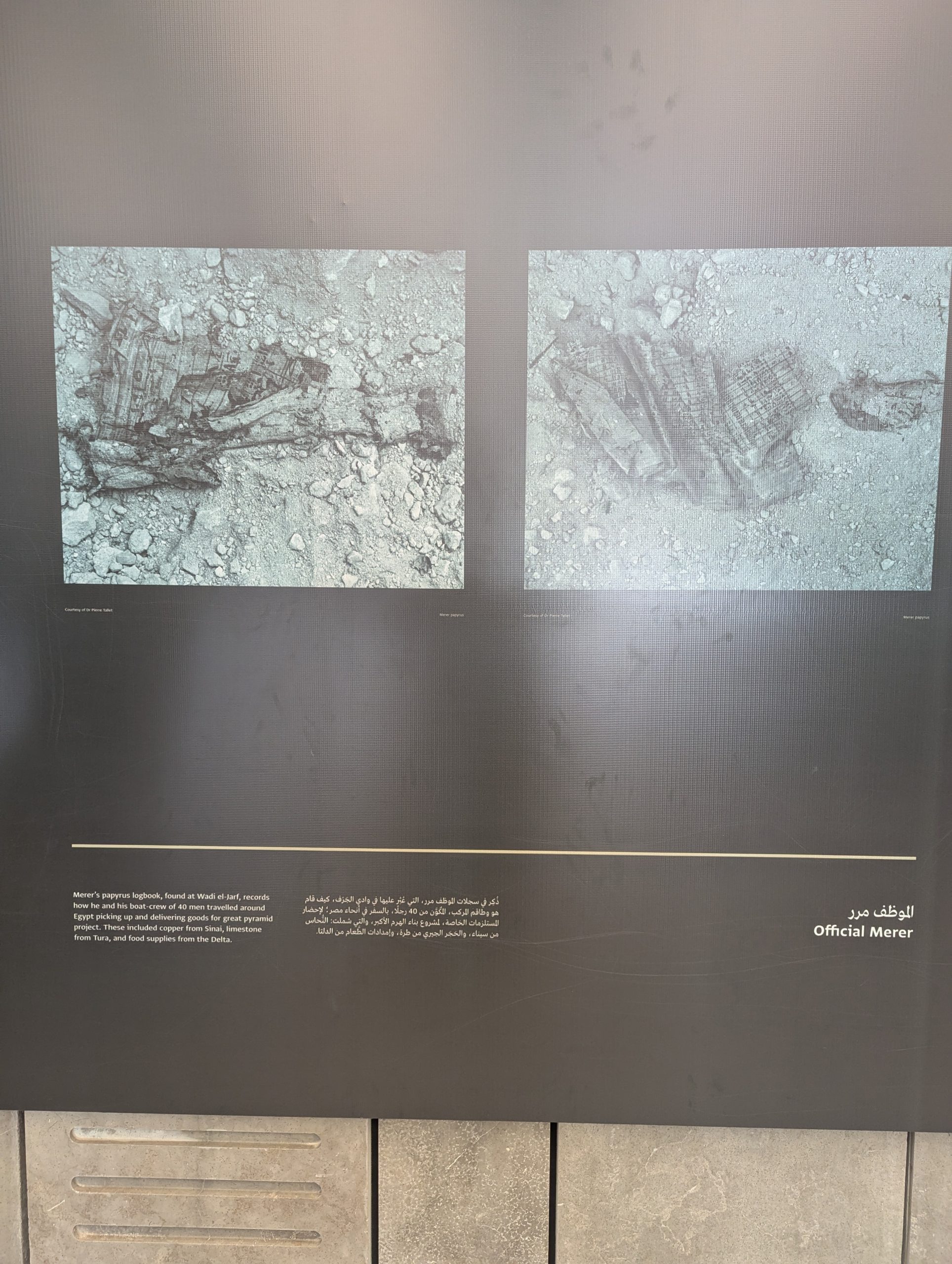
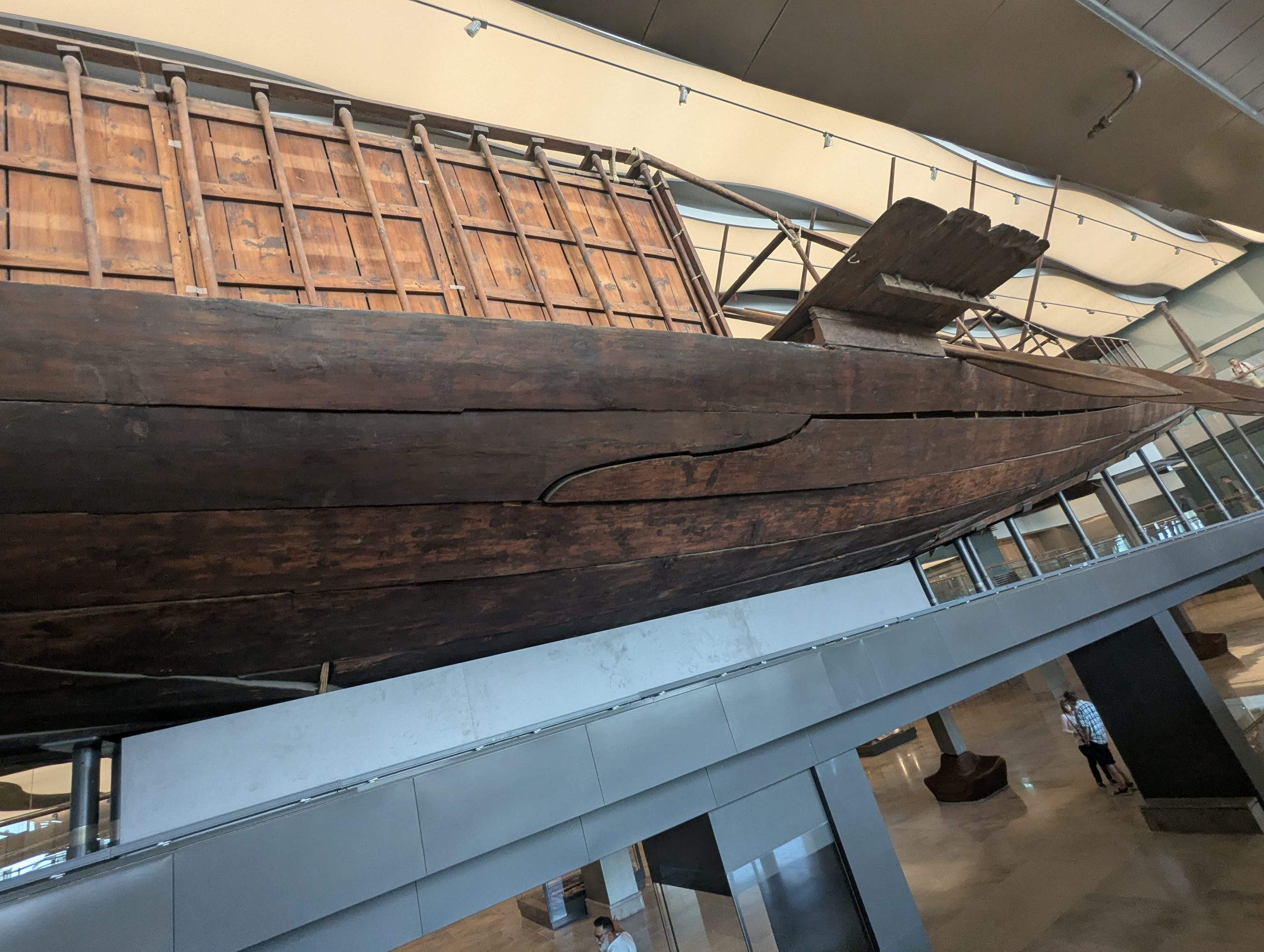
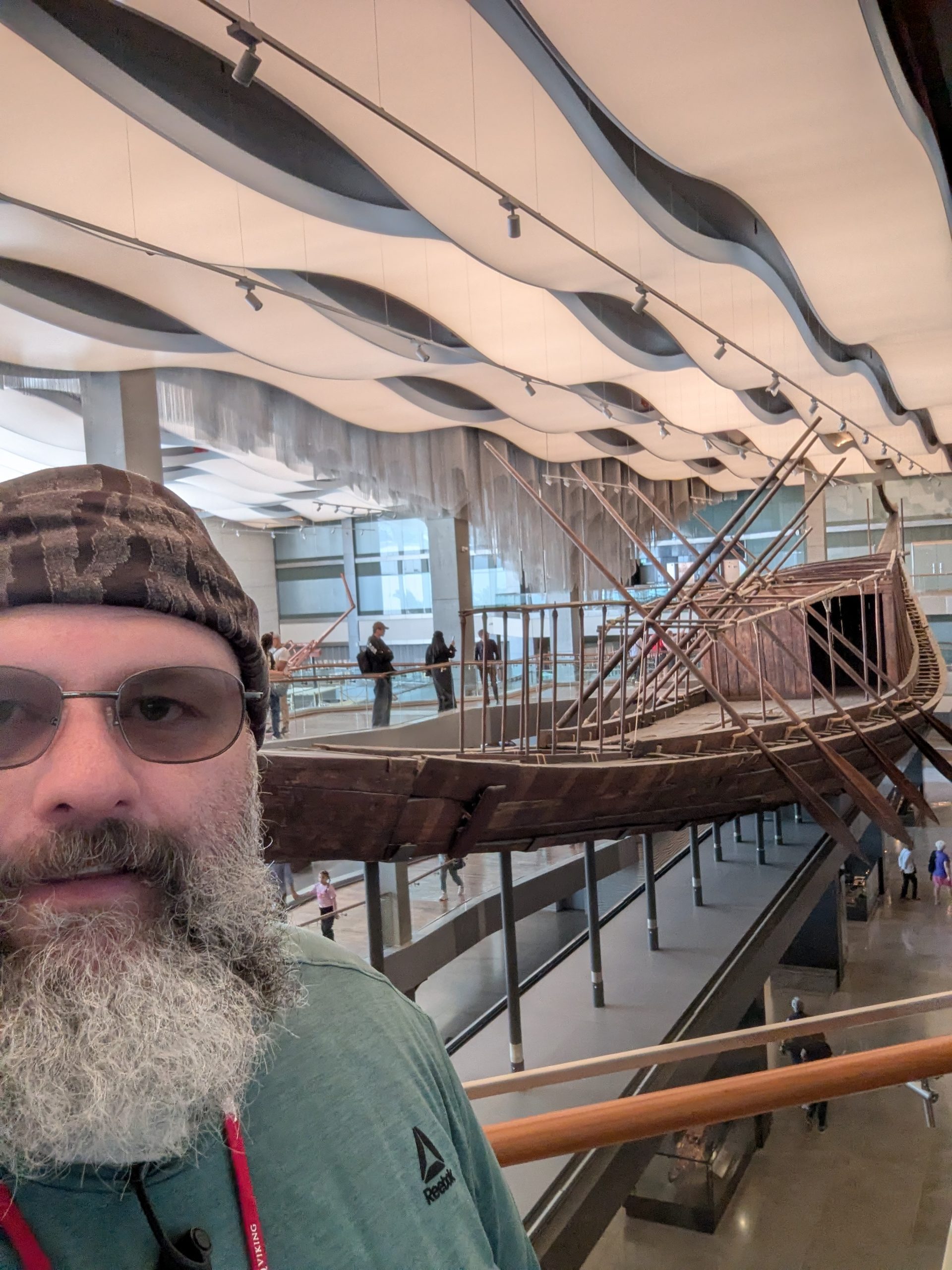
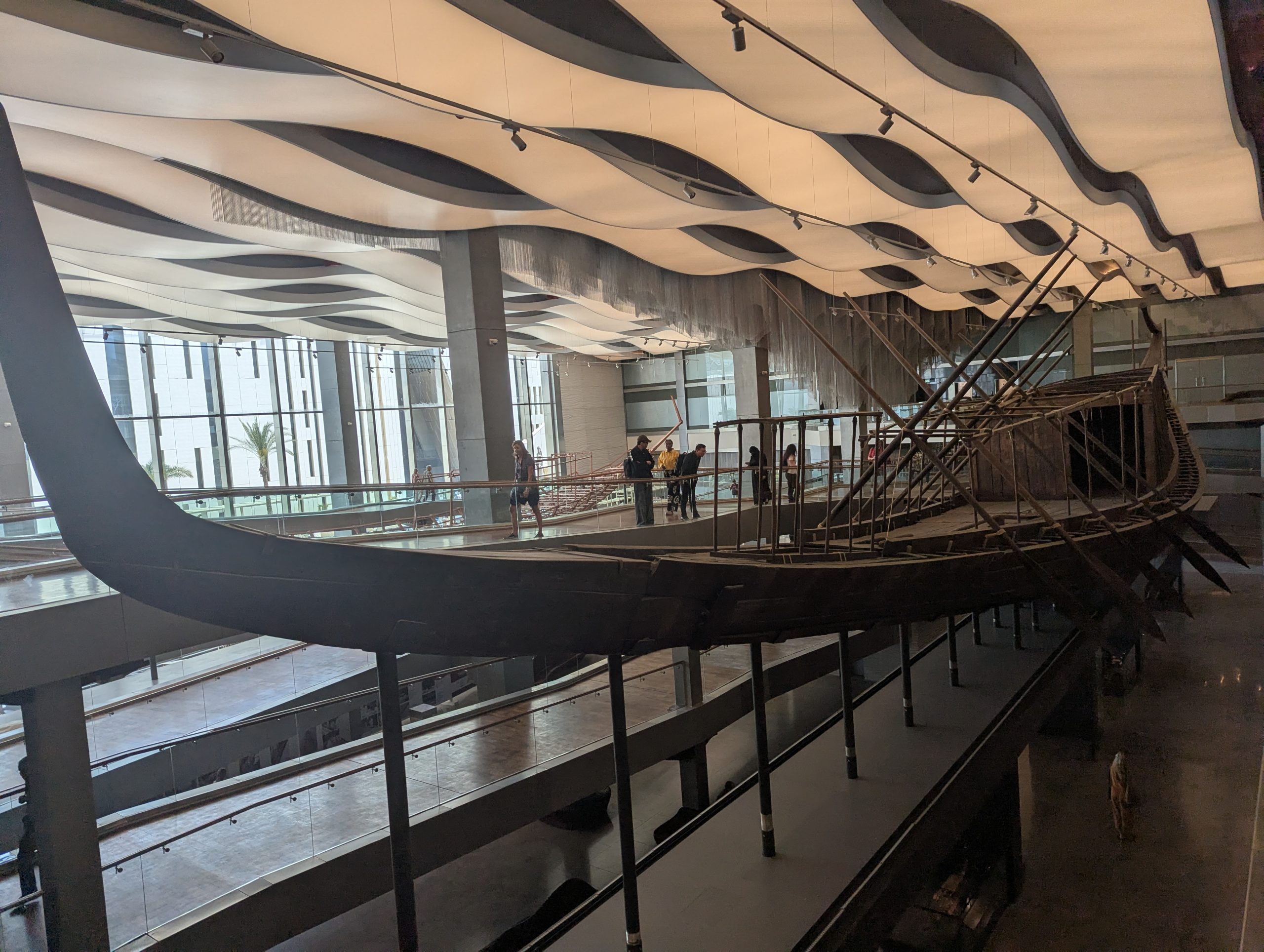
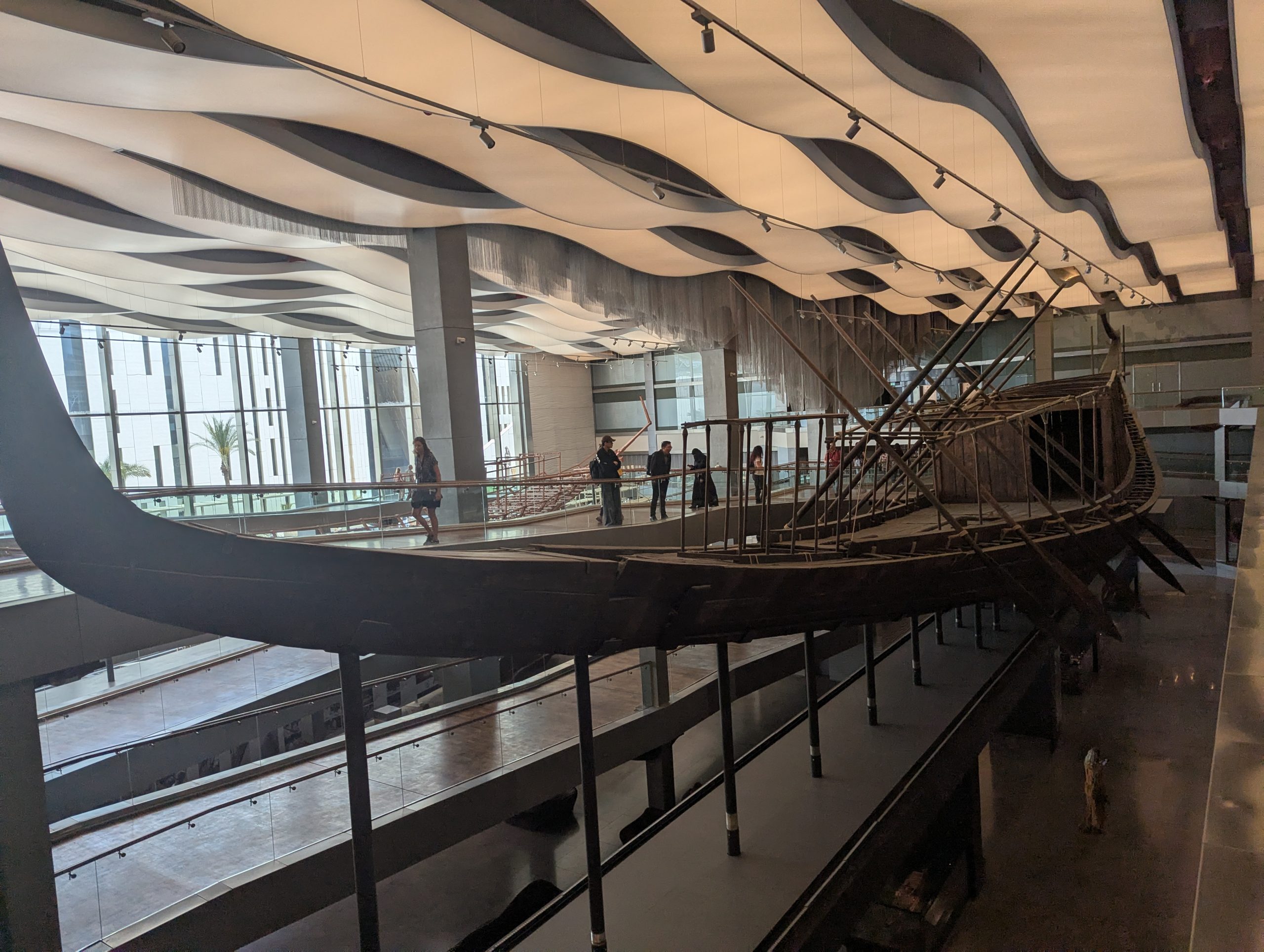
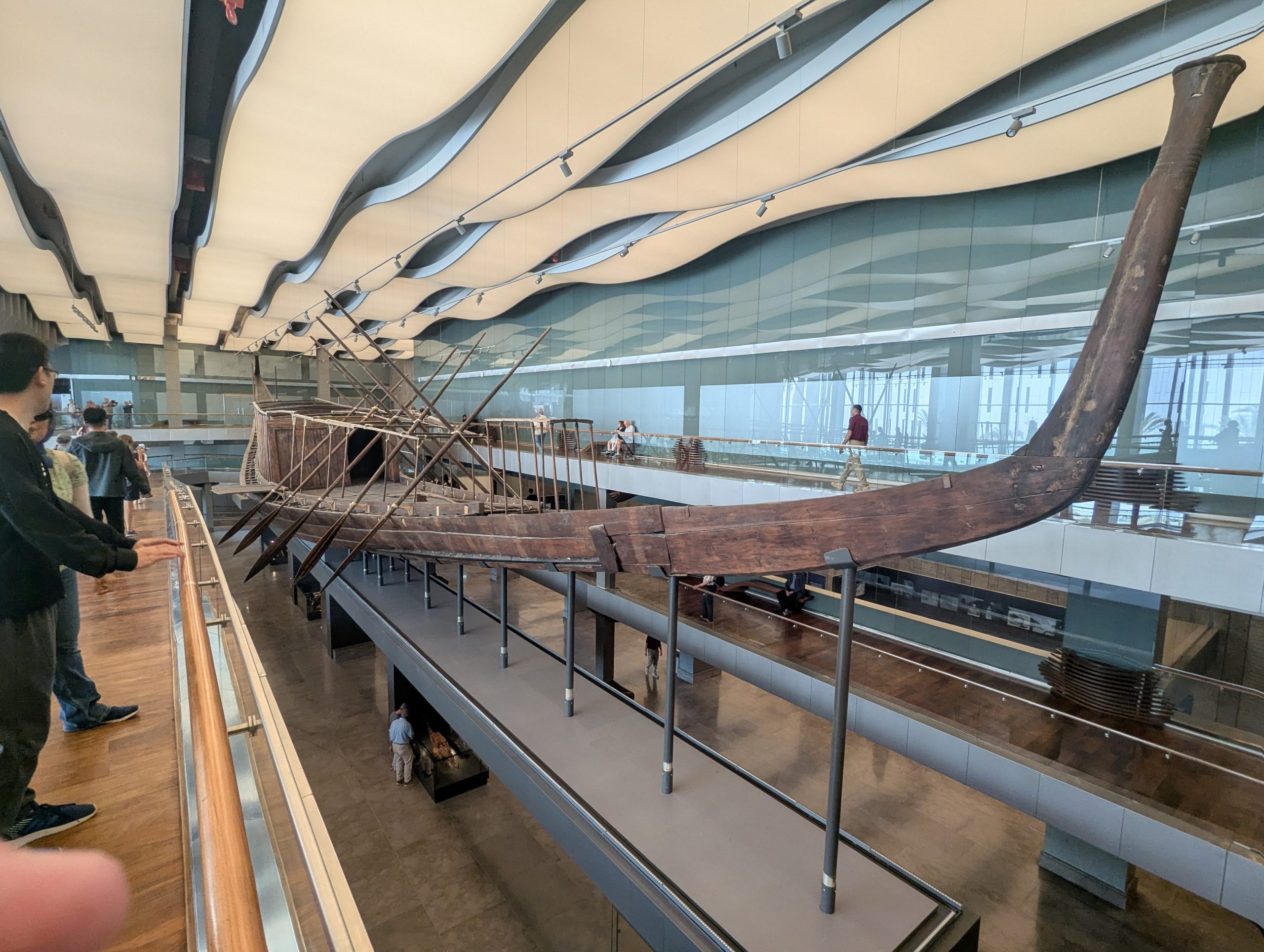
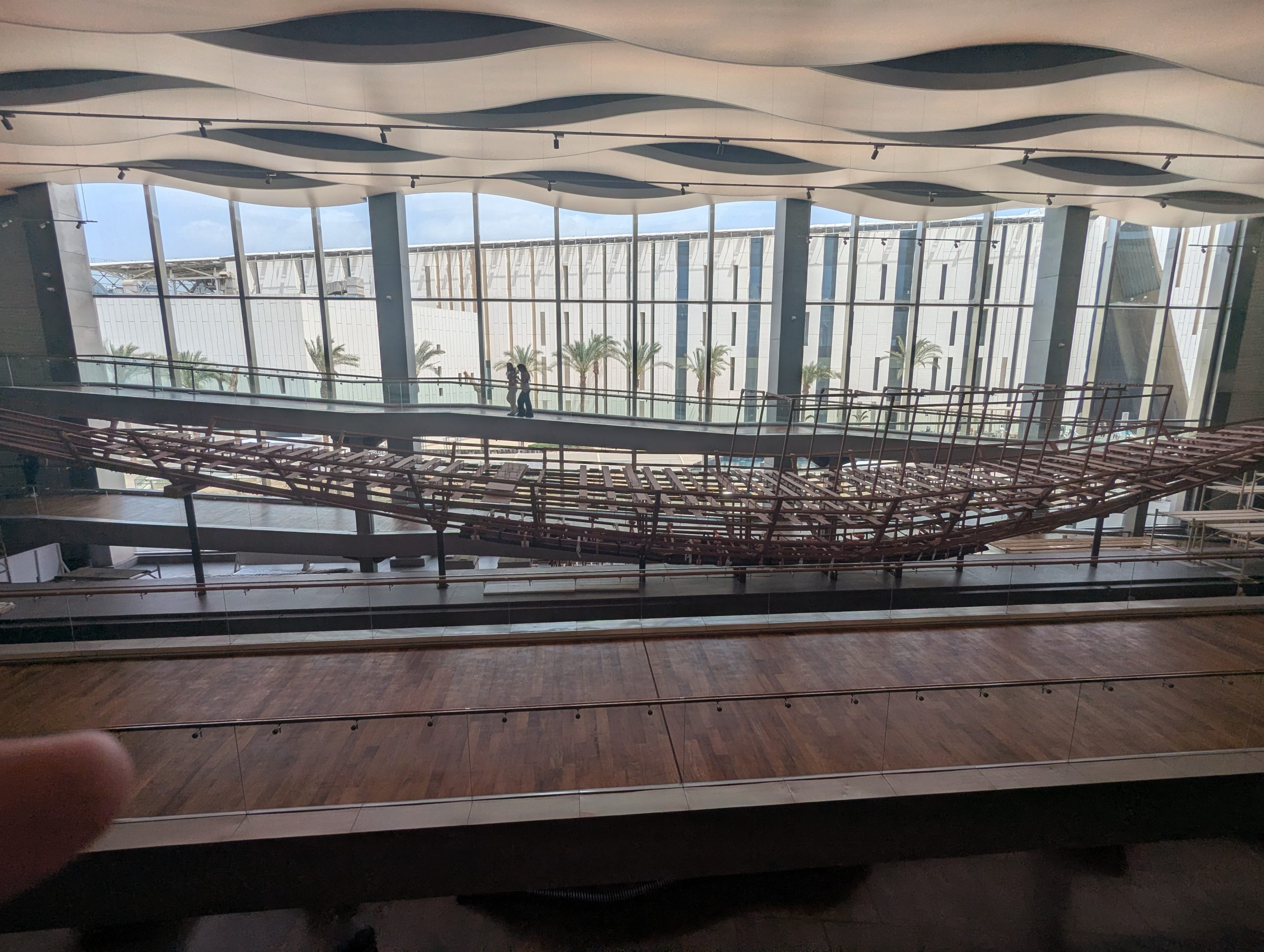
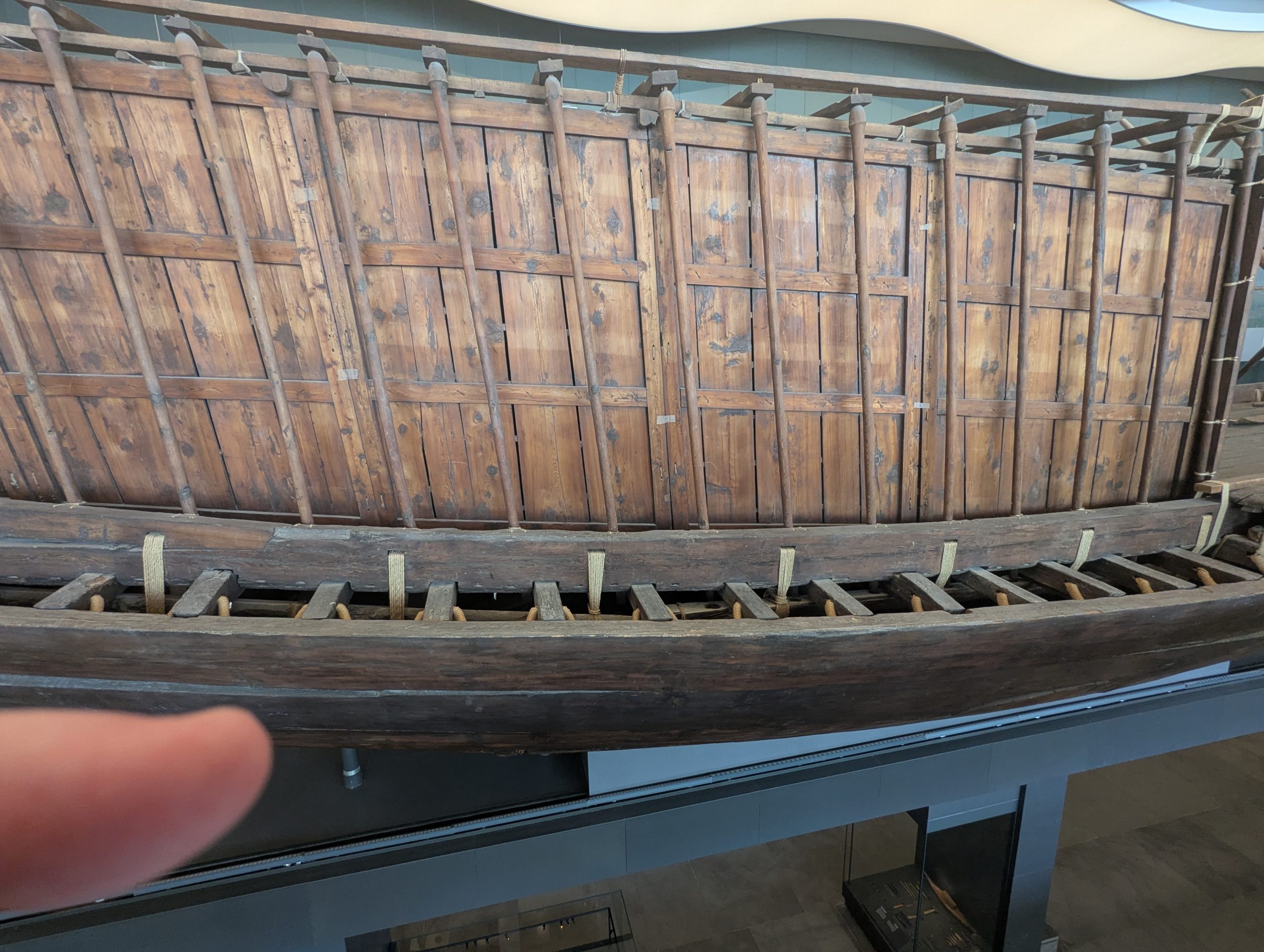
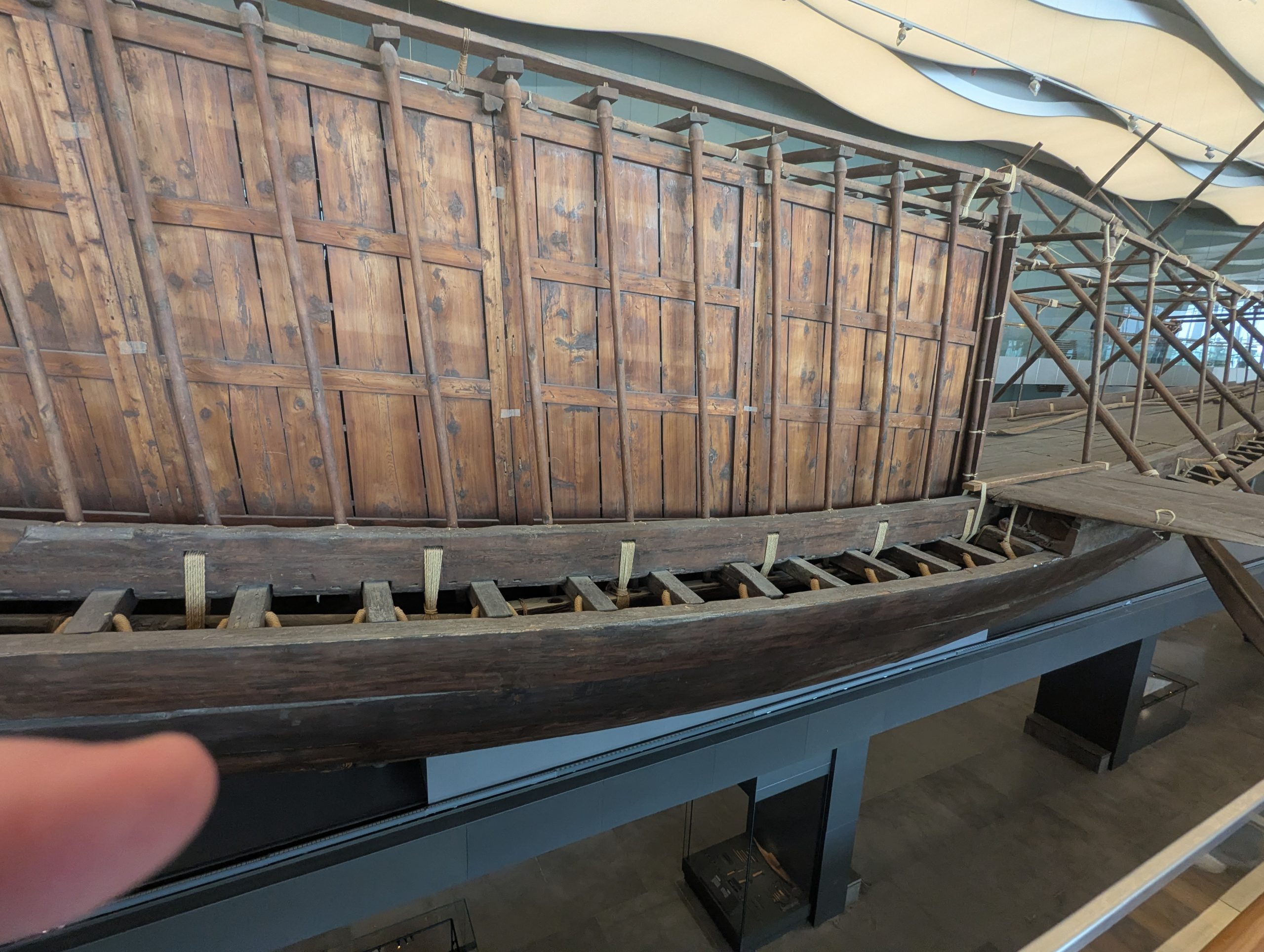
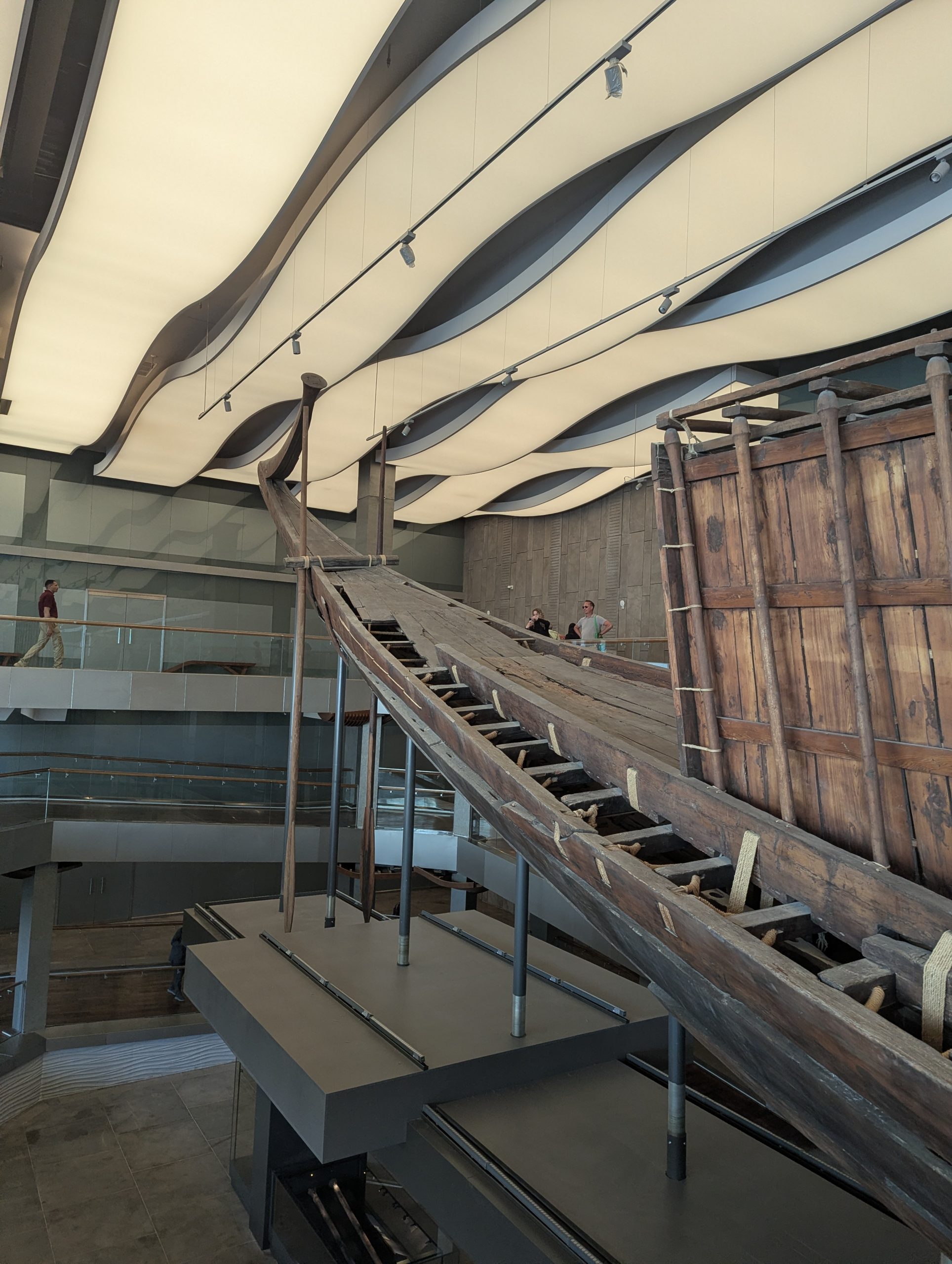
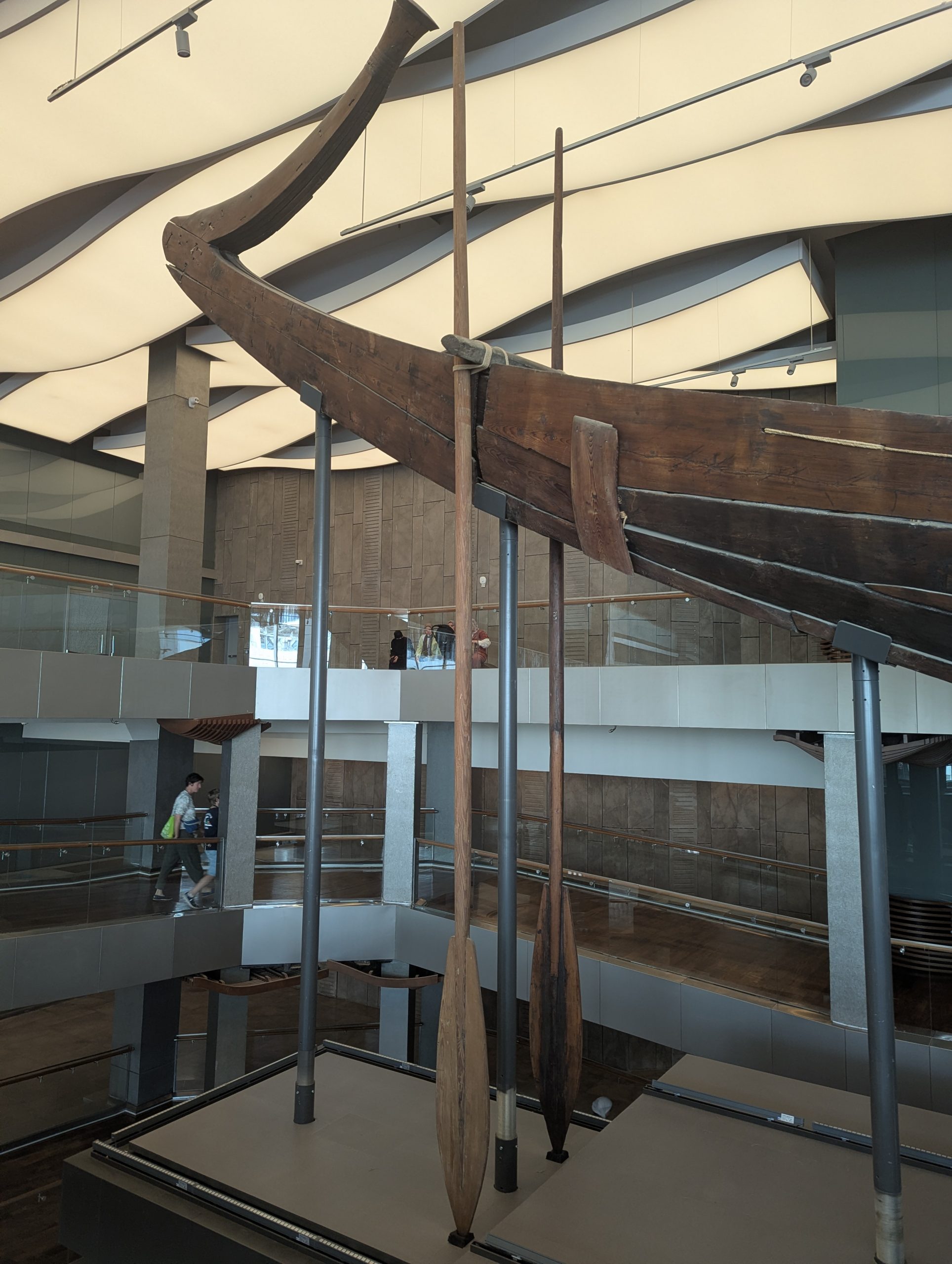
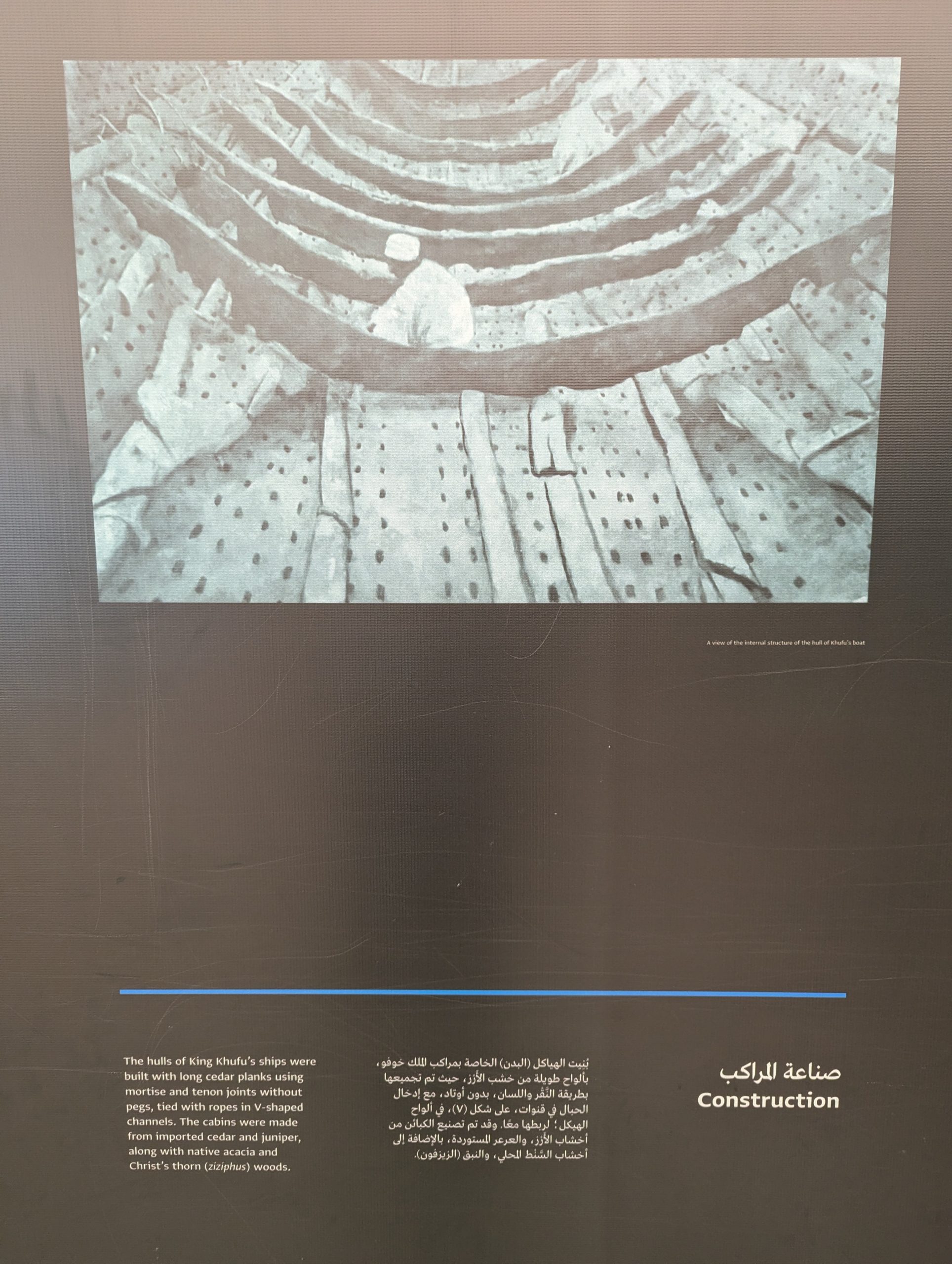
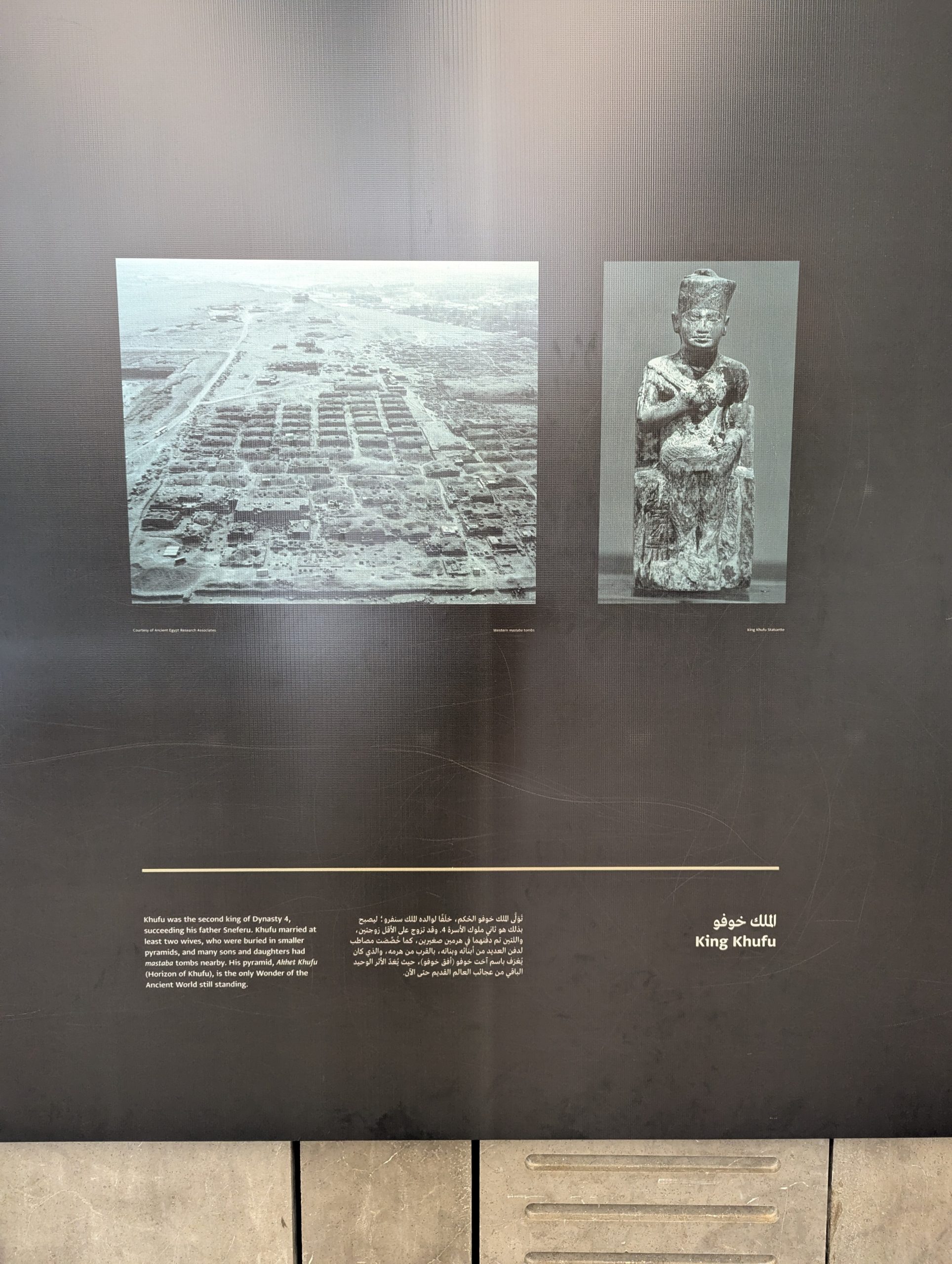
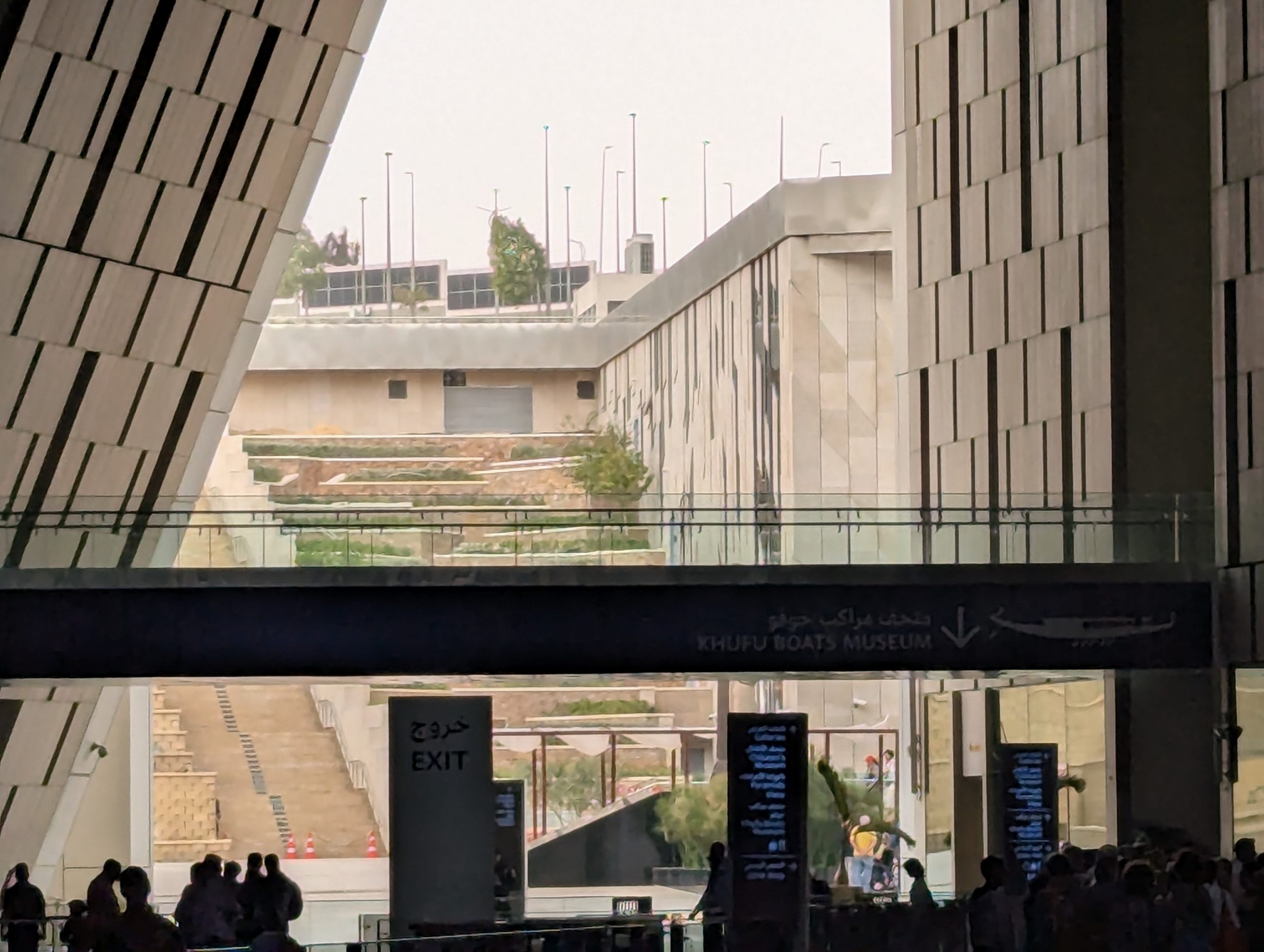
King Khufu Boat
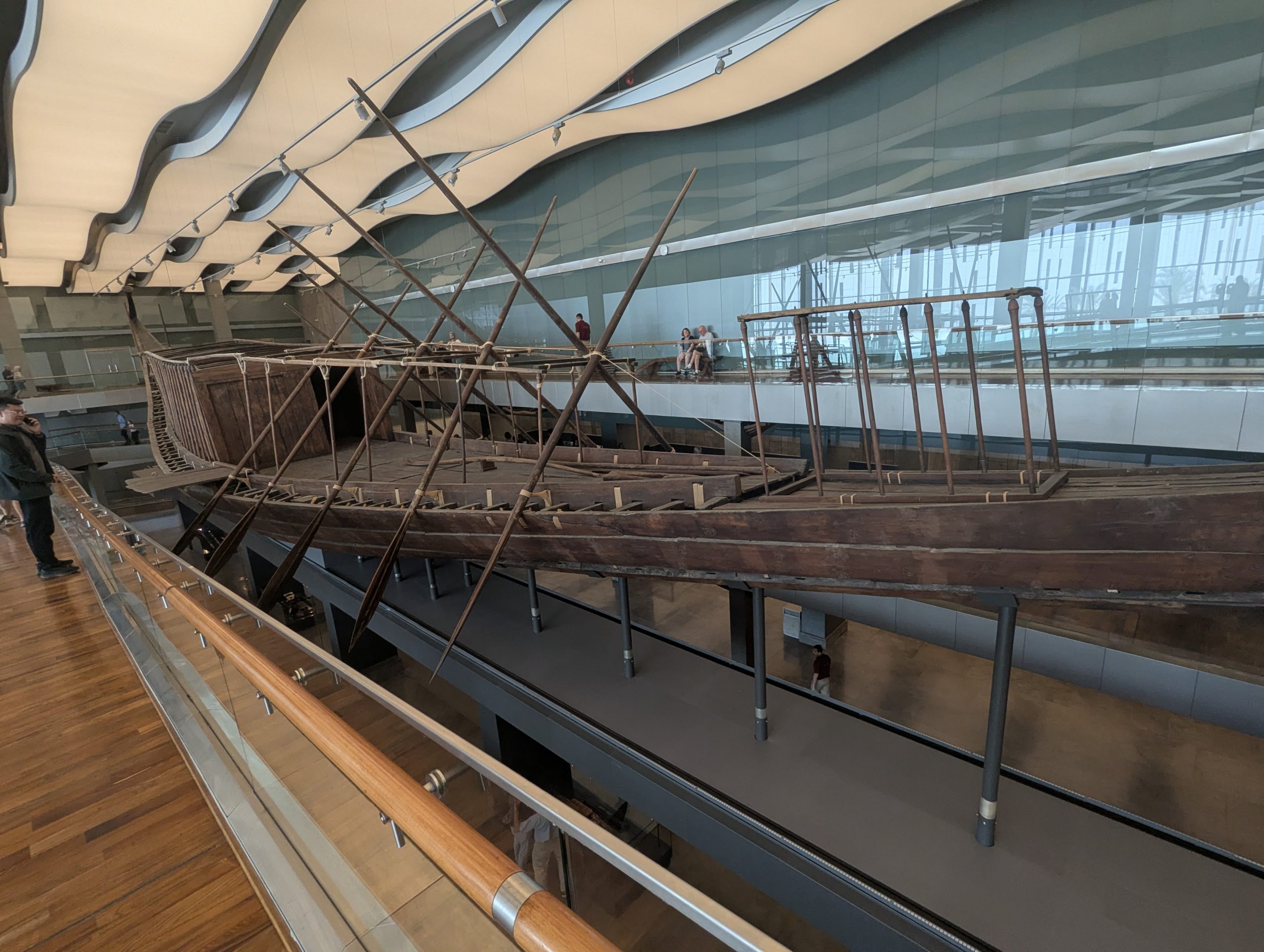
King Khufu’s Boat